
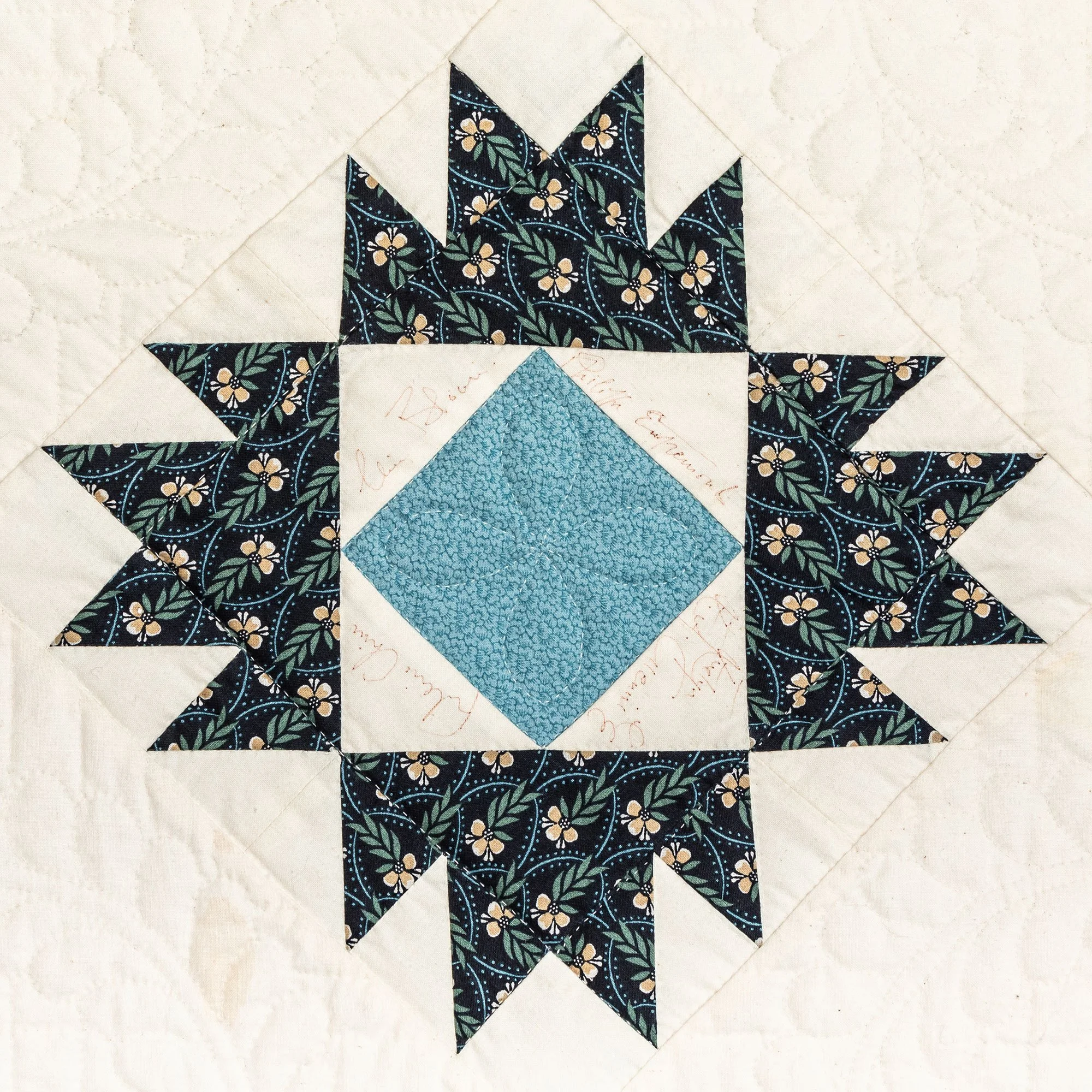
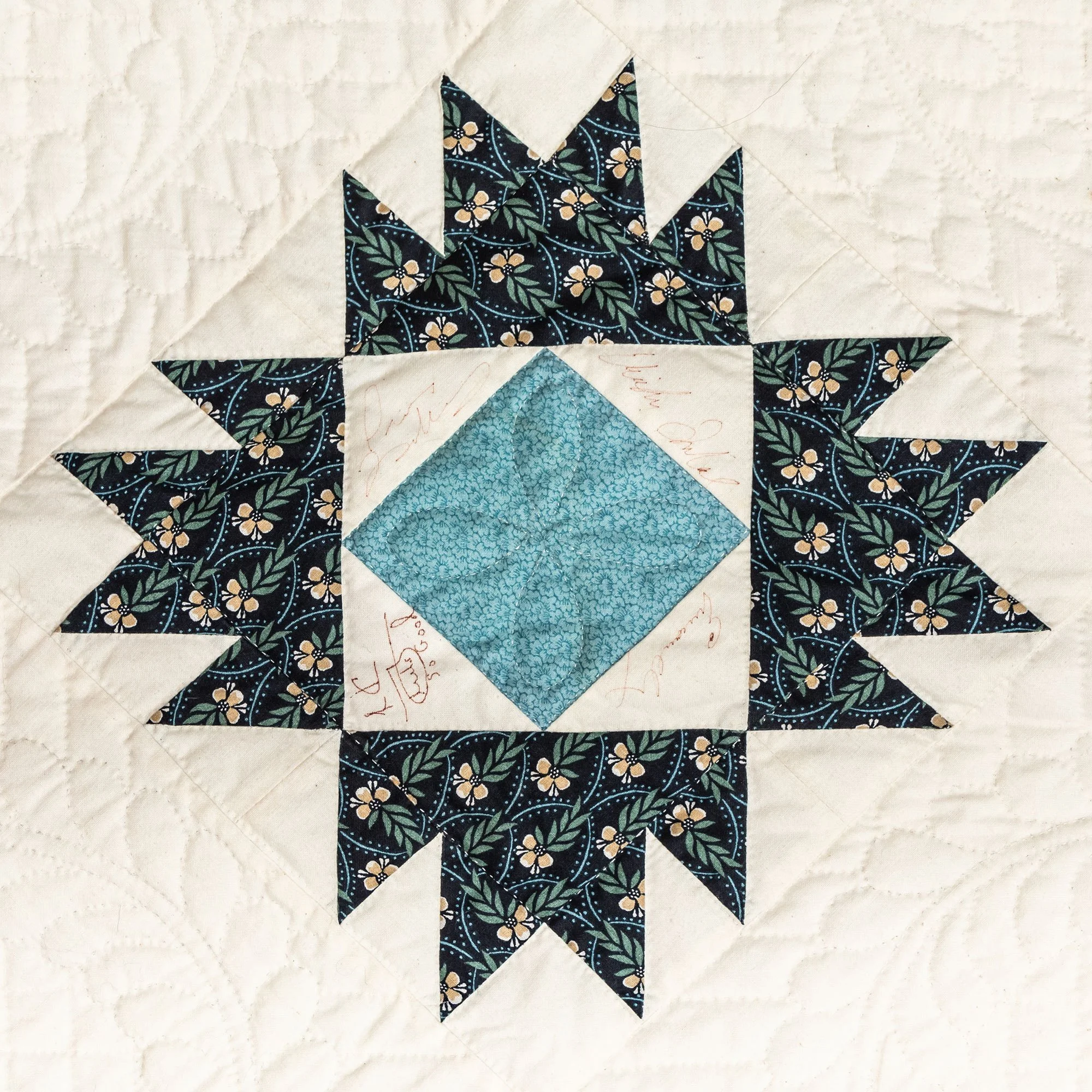
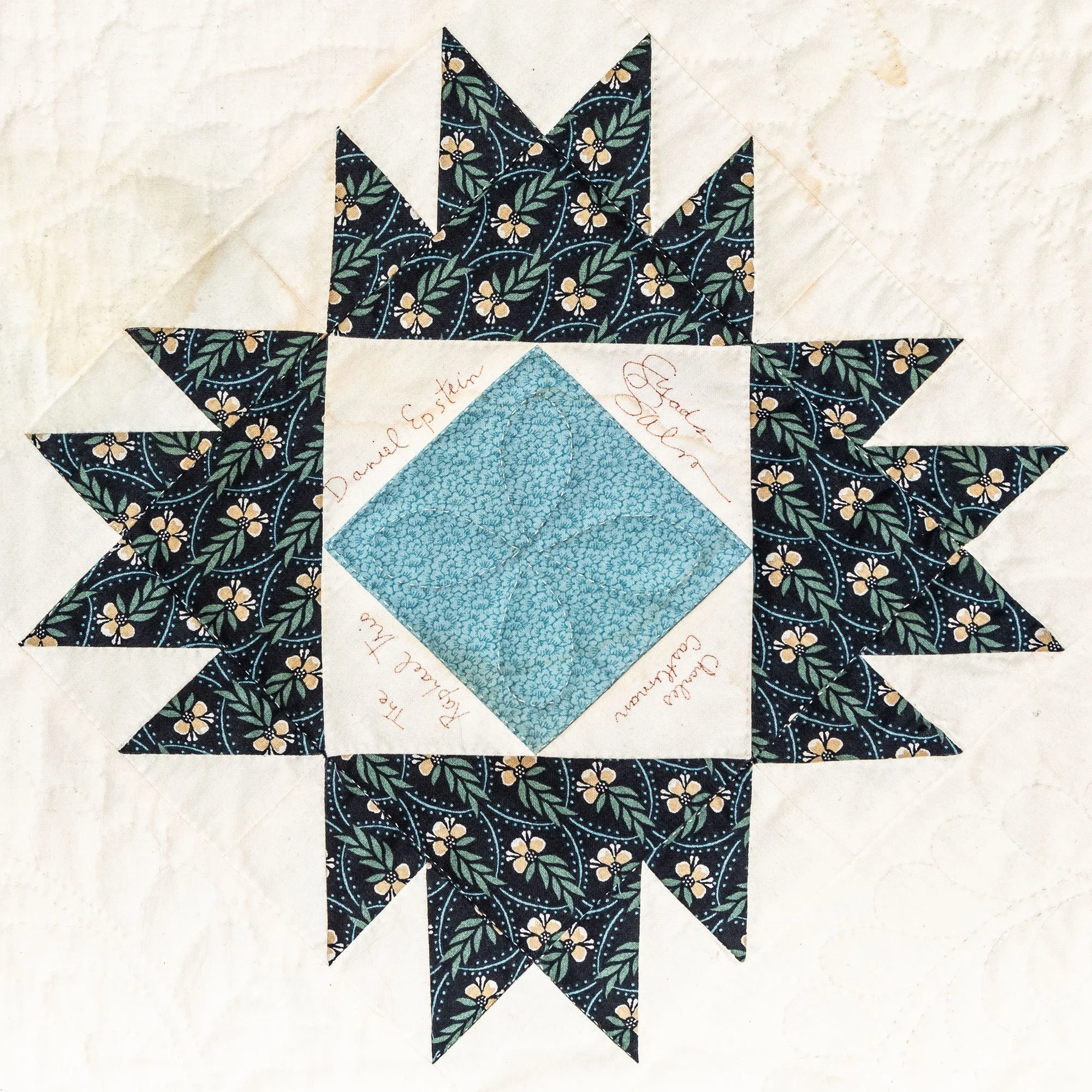
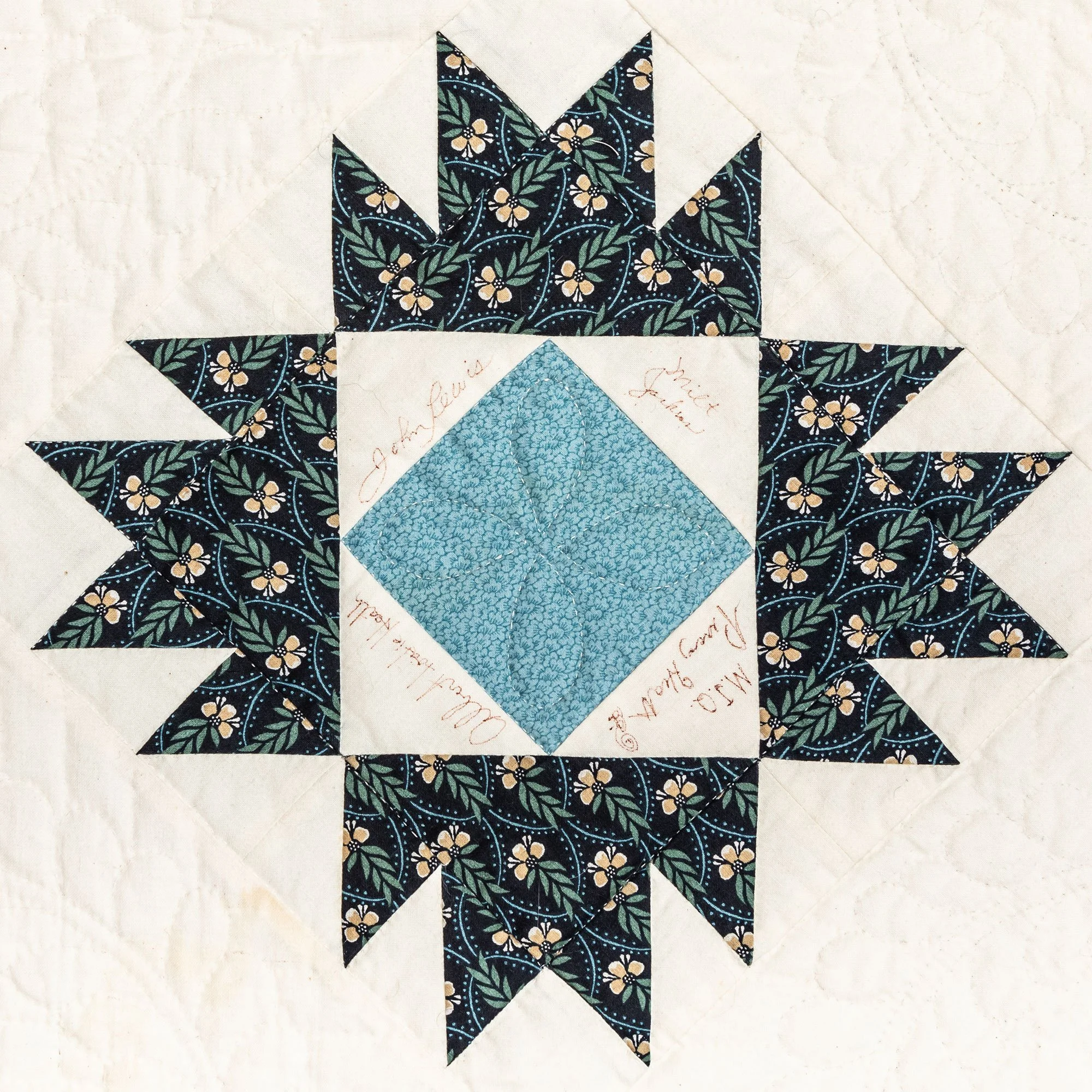
George Bishop Lane Series Commemorative Quilt

The George Bishop Lane Series Commemorative Quilt
1996-2000
Quilters By The Lake
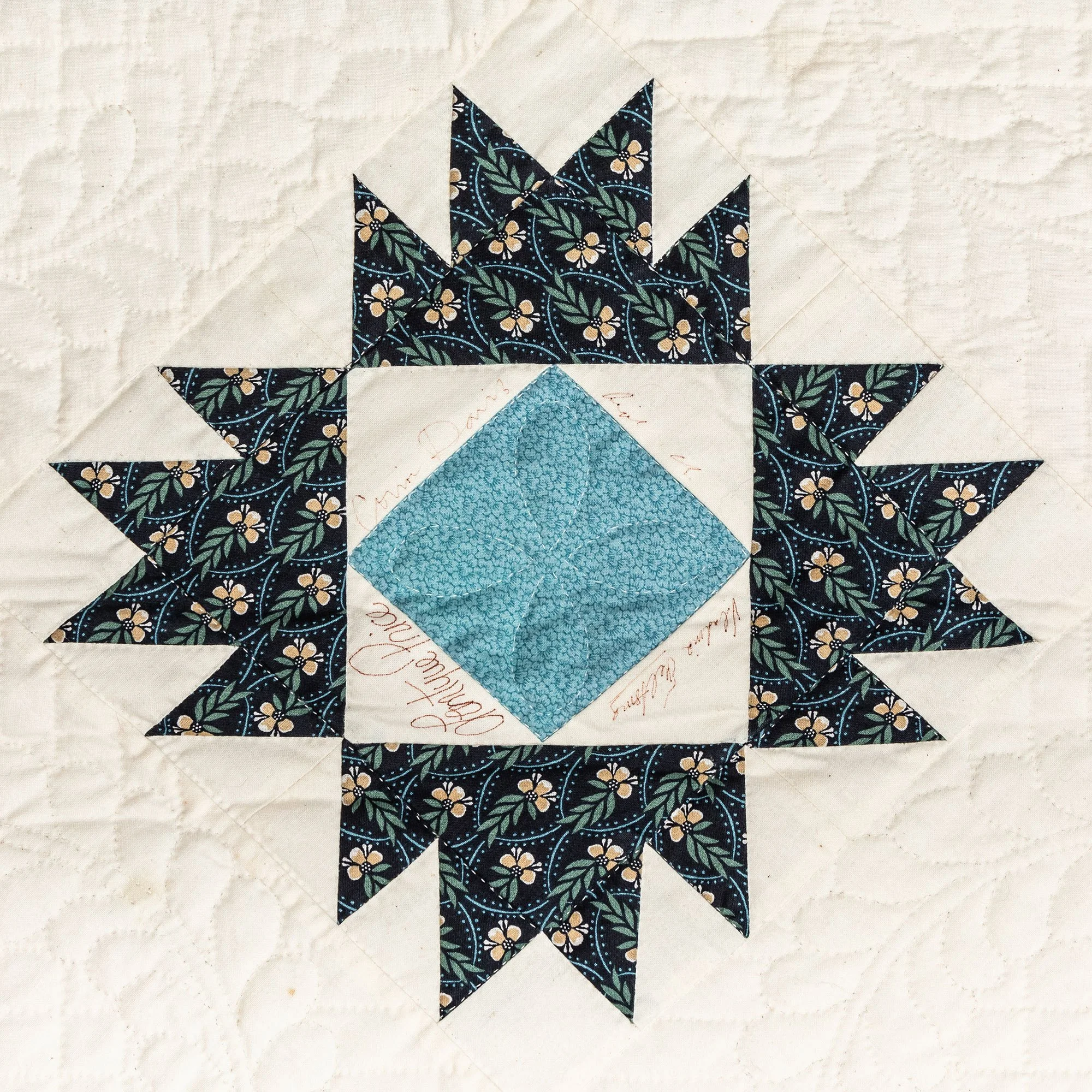
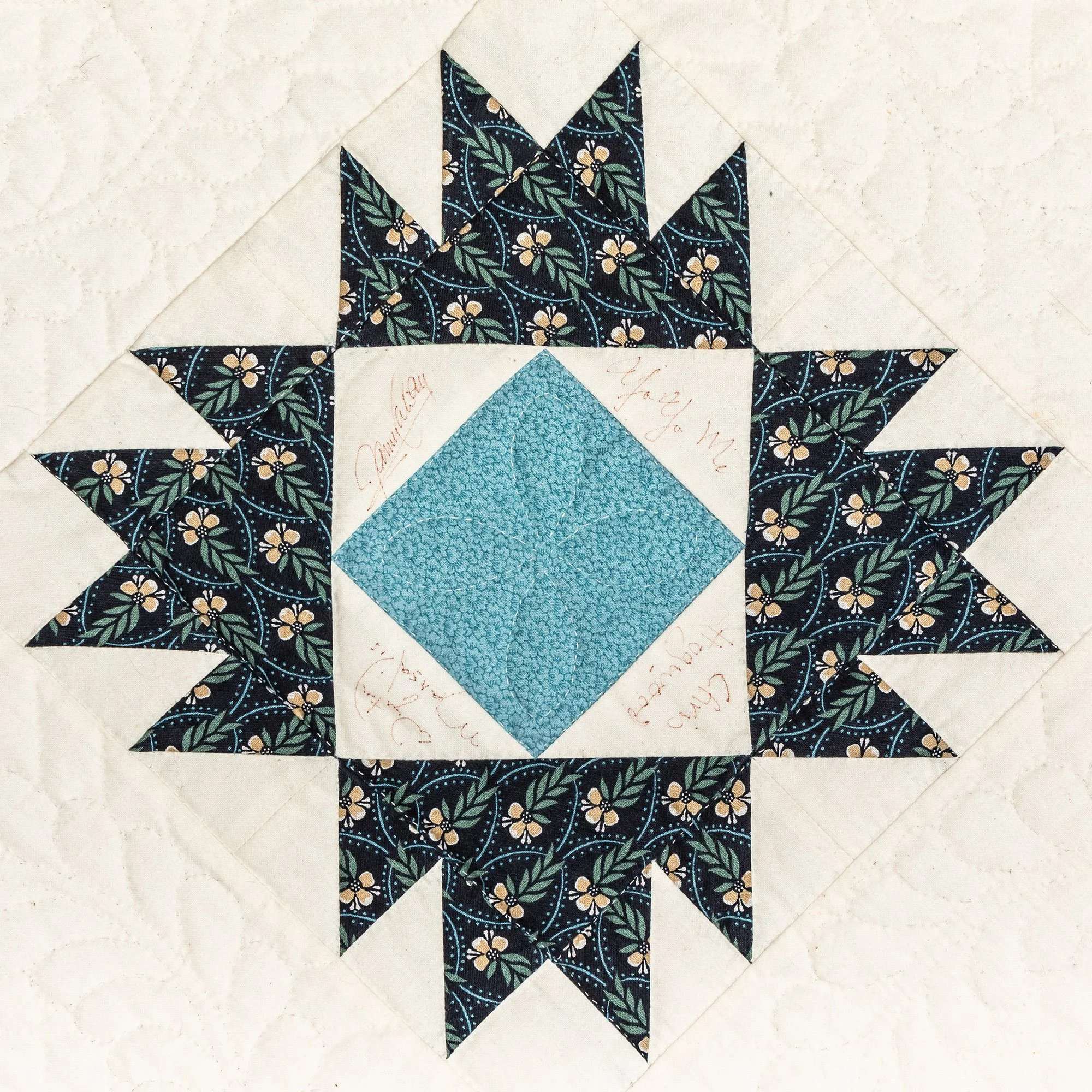
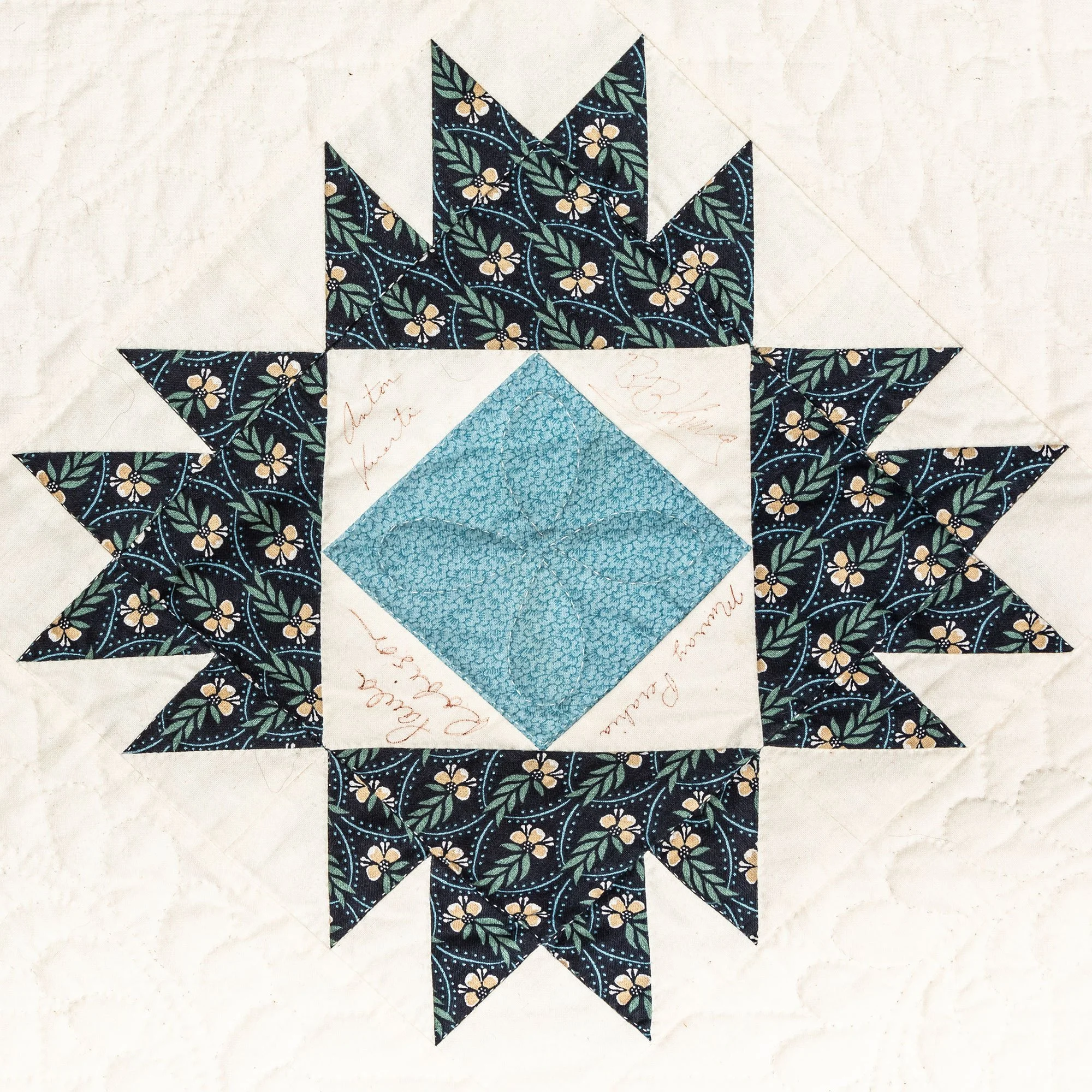
Blue floral fabric; muslin. 94” x 79”
Permanent collection.
Overview
The George Bishop Lane Series was established in 1954 and inaugurated in 1955 at the University of Vermont as a memorial to George Bishop Lane, Class of 1883 and founder of the Vermont Cynic. An endowment of more than $300,000 provided by his widow, Nellie Lane, and daughter-in-law, Florence Barbour, launched the series, intended to present performances by nationally and internationally known artists in the world of music, dance, and theater. The series has a dual mission of cultural presentation and outreach, and education.
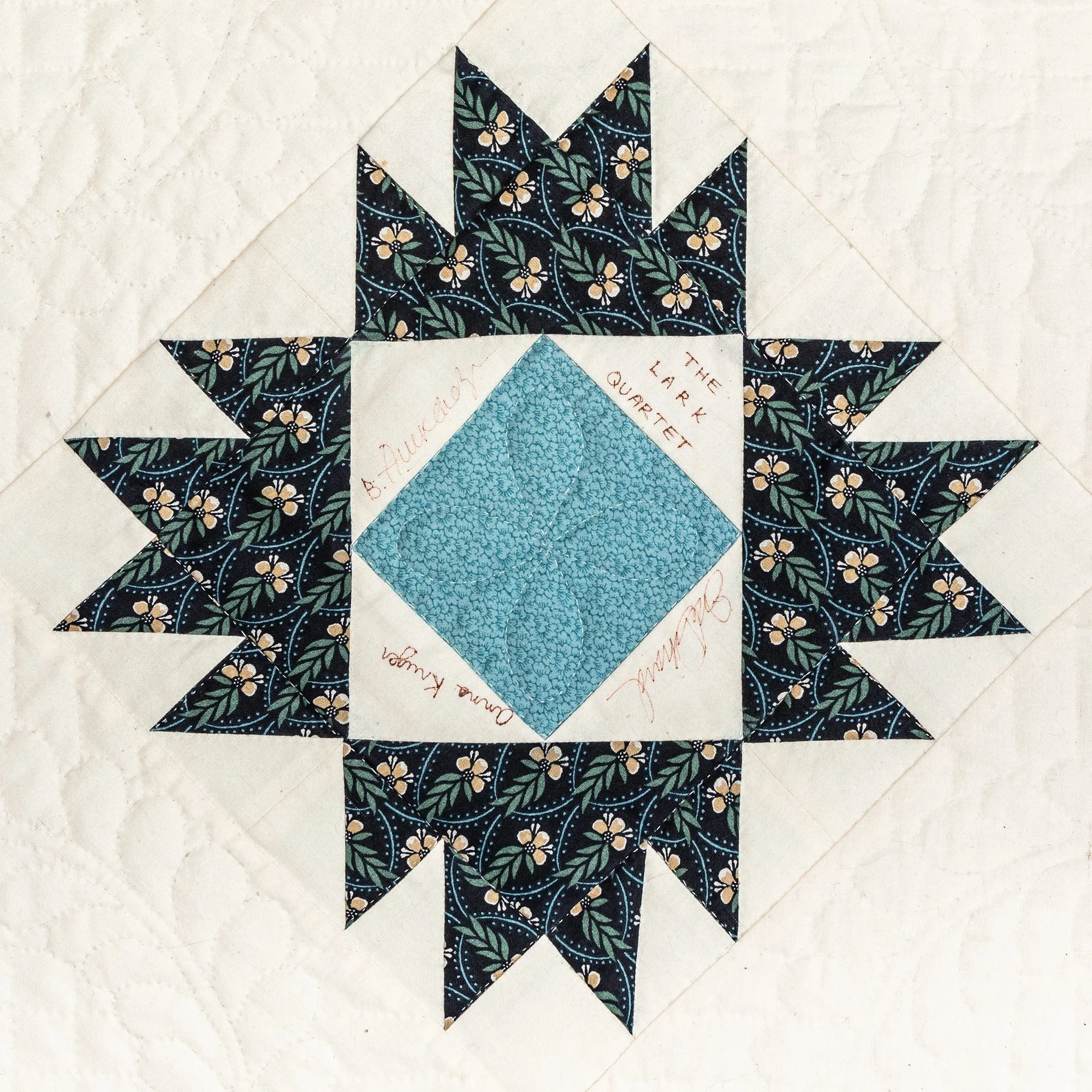
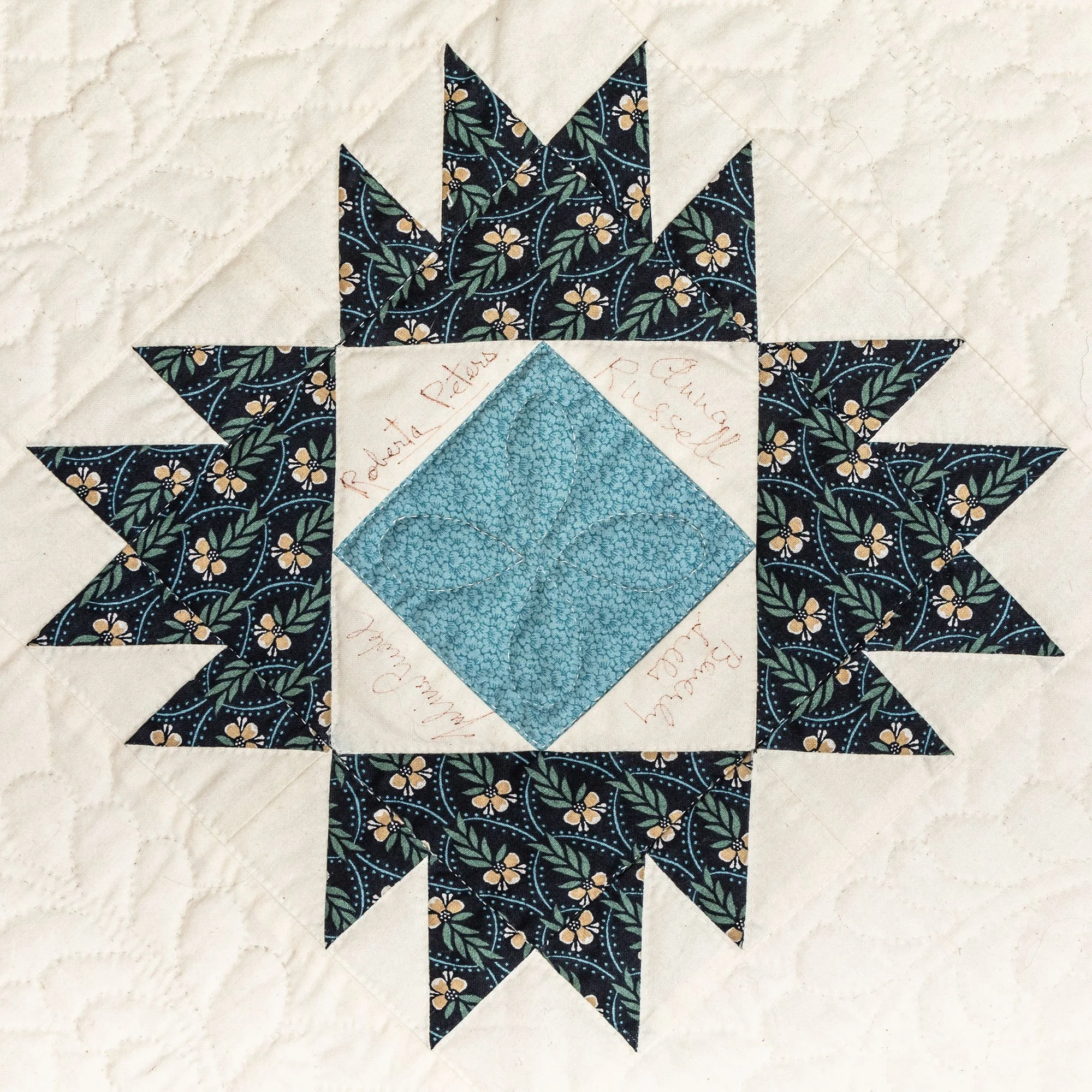
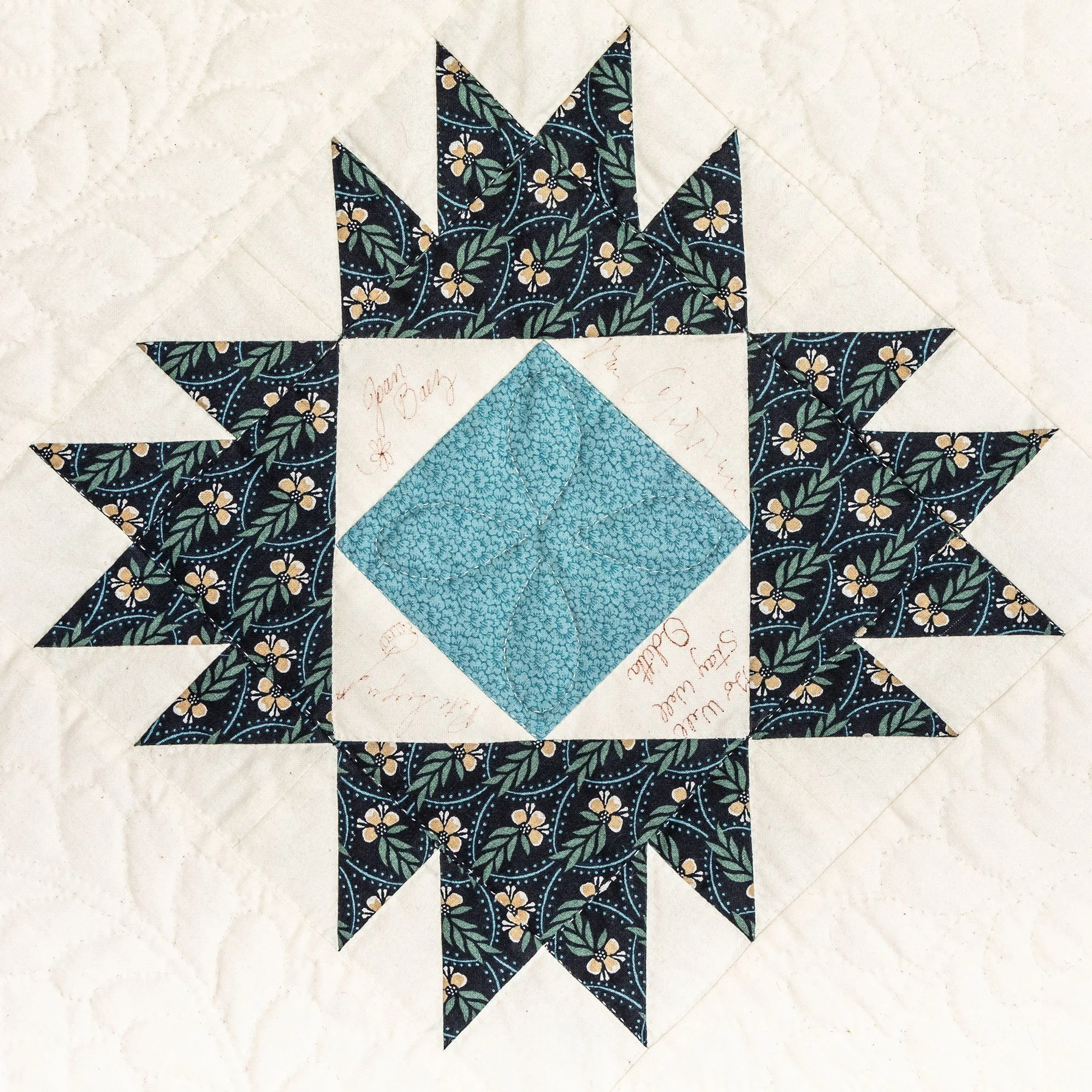
This commemorative quilt and two matching pillows was commissioned by the Lane Series Special Events Committee. It was begun in 1996 and completed in January, 2000 by the Quilters By The Lake for the Lane Series, sewn 8-10 stitches per inch by volunteering experts Aileen Chutter, Linda Gross, Barbara Moore, Pam MacPherson, Kim Kane, Valorie Pruitt, Elsie Smith, and Barbara W. Werle. The blue floral fabrics were reproductions (from the RJR Company) from an historic quilt in the Shelburne Museum quilt collection. The inner pattern of the quilt is Union Square with a border of appliqued vine and leaf. It features 60 signatures by artists who performed for the series during the decades of 1955-2000. The quilt was raffled as a fundraiser on October 14, 2000, during the Lane Series presentation of Aquila Theatre of New York and London’s ‘The Tempest’ at the Flynn Theatre. Proceeds created a revolving ‘Quilt Concert’ fund.
Artist signatures found on the quilt include the Juilliard String Quartet, Arthur Winograd, Robert Mann, Isadore Cohen, Anna Russell, Beverly Sills, Julius Rudel, Roberta Peters, Philippe Entrement, Frederic Chiu, Clair Bloom, Evelyn Glennie, Sir Colin Davis, Leontyne Price, Angela Cheng, Vladimir Feltsman, Peter Serkin, Richard Stoltzman, Ruth Laredo, Doc Watson, Blanche Moyse, Andre Previn, Frederica von Stade, Daniel Heifetz, Robert Merrill, Sir Georg Solti, Christopher Parkening, Vladimir Askhenazy, Odetta, Pete Seeger, Van Cliburn, Joan Baez, Milt Jackson, Percy Heath, John Lewis, Albert "Tootie" Heath, Bill Cosby, Judy Collins, Marcel Marceau, Misha Dichter, Raphael Trio, Charles Castleman, Susan Saim, Daniel Epstein, Christopher Hogwood, Yo Yo Ma, James Galway, Wynton Marsalis, Chuck Mangione, Emanuel Ax, Eliahu Inbal, Pinchas Zukerman, Wolfgang Sawallisch, Sherrill Milnes, Edward Villella, Jean-Pierre Rampal, Murray Parahia, Paula Robinson B.B. King, and Anton Kuerti.
The Lane Series Quilt illuminates Vermont’s status as a cultural crossroads and the wide-reaching appreciation Vermonters have for the performing arts. Lane Series volunteers crafted a singular expression of Vermont’s appreciation for these many artists and art forms — an appreciation that continues to this day.
Photography by Luke Awtry Photography. Biographical research by Mara Brooks. This exhibit is made possible in part by support from Vermont Humanities.

The Signatures
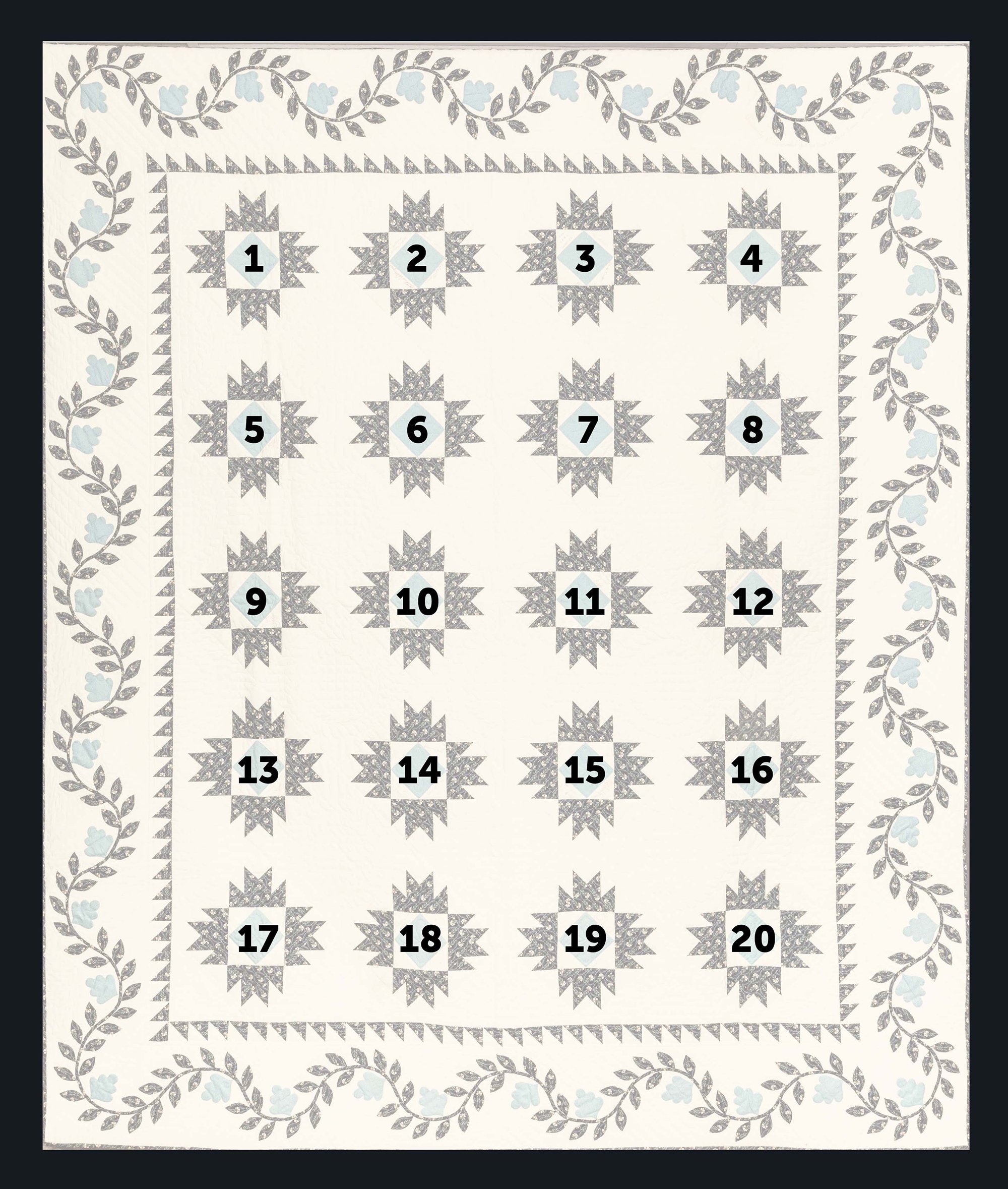
Panel #1 (Unsigned)
Panel #2
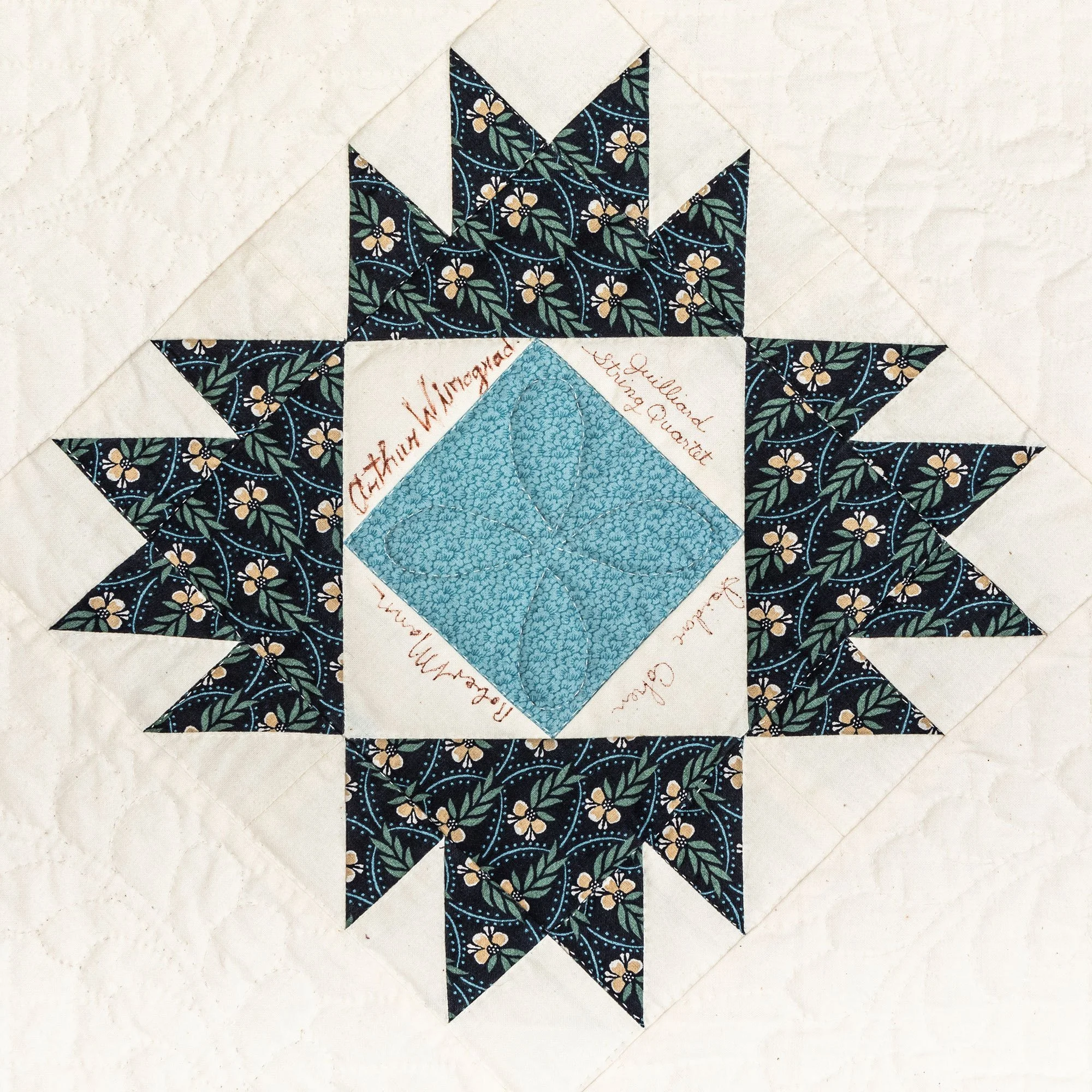
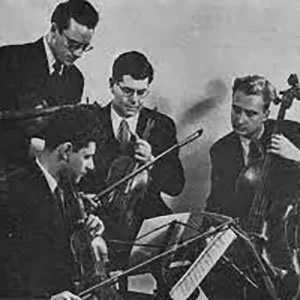
Juilliard String Quartet
Founded in 1946, The Juilliard String Quartet is the quartet-in-residence of the Juilliard School in New York City, consisting of four musicians playing the violin, viola, and cello. Although the Quarter’s membership has changed since its inception—its current performers being Areta Zhulla, Ronald Copes, Roger Tapping, and Astrid Schween—the group’s success has endured, and they have now achieved international fame. The Quartet performs diverse masterpieces that span across genres, nations, and eras. From Beethoven and Mozart to Elliot Carter, its musicians embrace a dynamic blend of classical and modern styles. This has earned the group multiple Grammy awards and membership into the National Academy of Recording Arts and Sciences’ Hall of Fame.
The Quartet has performed in Vermont on many occasions as early as April of 1955, with members Robert Mann, Robert Koff, Raphael Hillyer, and Claus Adam.
SOURCES:
Juilliard String Quartet, “Full Bio.”
IMAGE: From “75 Years of the Julliard String Quartet”
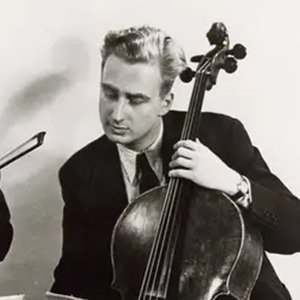
Arthur Winograd (1920-2010)
Arthur Winograd was an American cellist who co-founded the Juilliard String Quartet in New York City and worked as the Music Director of the Hartford Symphony Orchestra. After studying the cello at the New England Conservatory and the Curtis Institute, Winograd joined the faculty at the Juilliard School and co-founded the Juilliard String Quartet alongside Robert Mann, Robert Koff, and Raphael Hillyer. He eventually left the Quartet to pursue conducting, which led him to the Hartford Symphony Orchestra in 1964. By the time he retired from this post in 1985, Winograd had led the group through many performances throughout New York City. Under his guidance, the Orchestra also booked shows in Vermont, including a 1978 summer concert series in Stowe. Between his retirement and his death in 2010, he taught chamber music at the University of Hartford’s renowned Hartt School of Music.
SOURCES:
The Juilliard Journal, “Arthur Winograd 1920-2010.”
Burlington Free Press, “Summer Arts Series.” 5 May 1978, p. 11A.
IMAGE: Photo by G. D. Hackett via the New York Times.
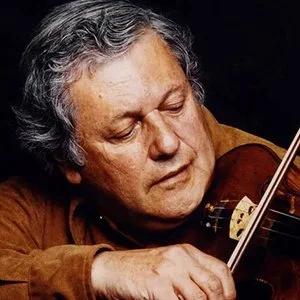
Robert Mann (1920-2018)
Robert Mann was an American violinist and co-founder of the Juilliard String Quartet in New York City. After learning to play the violin at nine years old, Mann began studying music composition and the violin as a teenager at the Juilliard School in New York in the late 1930s. He decided early in his career to dedicate himself to chamber music, which led him to found the Juilliard String Quartet in 1946 shortly after joining the Juilliard School’s faculty.1 Mann played thousands of concerts throughout the country with the Quartet in his fifty-one years as their first violinist,2 including Vermont, during which he earned the group three Grammy awards and mentored numerous now-famous ensembles like the Emerson and Brentano string quartets. Along the way, he conducted many ensembles and festivals across the country and world, including the New York Chamber Symphony in New York City and the Saito Kinen Music Festival in Japan. Mann played his final concert with the Quartet in July of 1997, and then he served as the President of the Walter W. Naumburg Foundation for classical music until his death in 2018.4
SOURCES:
IMAGE: From the documentary, ‘Speak the Music,’ via Strings Magazine.
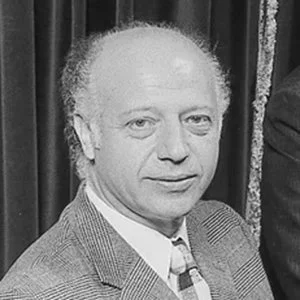
Isidore Cohen (1922-2005)
Isidore Cohen was a renowned American violinist who performed with the Juilliard String Quartet and Beaux Arts Trio. Although Cohen learned the violin starting at six years old, he did not begin performing until his three years of service with the U.S. Army during WWII, during which he performed in the Army’s symphony orchestra and jazz band. After leaving the Army he began studying with the famous violinist Ivan Galamian at the Juilliard School, and in the fifties became the concertmaster of orchestras at music festivals in Prades, France, and San Juan, Puerto Rico. It was during his career with the festivals that he began playing the violin with string Quartets, playing first with the Schneider String Quartet in 1952, the Juilliard String Quartet in 1958, and finally with the Beaux Arts Trio from 1968 to 1992.
Mr. Cohen spent decades teaching and performing in Vermont. He performed in the Lane Series with the Juilliard String Quartet as early as 1962, and he taught at Marlboro School of Music in Marlboro from 1966 until his death in 2005.
SOURCES:
Indiana University, “University Honors & Awards: Isidore Cohen.”
IMAGE: Via WBUR.
Panel #3
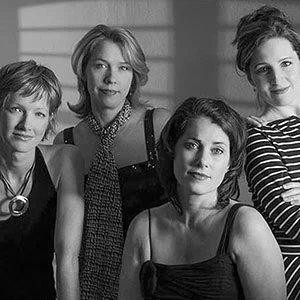
Lark String Quartet
IMAGE: From the Daily Sentinel
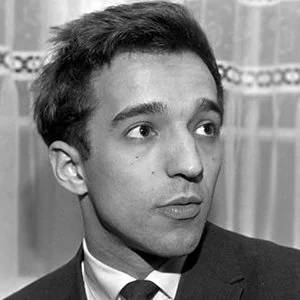
Vladimir Ashkenazy (b. 1937) (Russian Signature)
Vladimir Ashkenazy is a Russian pianist and conductor. Ashkenazy began playing the piano when he was six years old, and two years later enrolled at Moscow’s Central Music School. He entered the Moscow Conservatory as a teenager in 1955, and the next year received international fame by winning the Queen Elizabeth of Belgium International Competition for classical musicians. Ashkenazy toured the United States in 1958 and Britain in 1963, eventually leaving the USSR and becoming a citizen of Iceland in 1972. He has served as a conductor for Royal Philharmonic Orchestra, the Czech Philharmonic, and the Sydney Symphony. His piano recordings cover composers across countries and centuries, including Hungary’s Béla Bartók and Germany’s Johann Sebastian Bach. His work with famous composers like Sir Georg Solti and Itzhak Perlman has earned him multiple awards, including seven Grammys.
Ashkenazy has performed multiple shows in Vermont. Before his appearance in the 1978 Lane Series, the Burlington Free Press wrote that “it is almost impossible to believe that Vladimir Ashkenazy…will be in Burlington once more…Tonight Burlington will hear the pianist who’s at the top.”
SOURCES:
Encyclopedia Britannica, “Vladimir Ashkenazy.”
Spotify, “Vladimir Ashkenazy.”
Vladimir Ashkenazy, “Biography.”
Recording Academy Grammy Awards, “Vladimir Ashkenazy.”
IMAGE: BBC
Panel #4 (Unsigned)
Panel #5
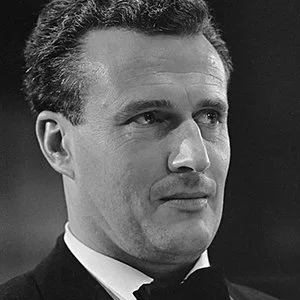
Sir Colin Davis (1927-2013)
Sir Colin Davis was an English composer for the London Symphony Orchestra. Davis dove into music as a student at Christ’s Hospital, an English boarding school, where he learned to play the clarinet, and he later earned a scholarship to study the instrument at London’s Royal College of Music. Following his graduation and mandatory military service, Davis began playing the clarinet with the New London Chamber Orchestra while conducting the Kalmar Orchestra and Chelsea Opera Group. He achieved his first breakthrough in the late fifties when he became a conductor with the BBC Scottish Symphony Orchestra, which led him to become a principal conductor of the BBC Symphony Orchestra in 1967 and the musical director of London’s Royal Opera House in 1971. Davis performed throughout the United States during his time with BBC, serving as a guest conductor for the German Staatskapelle Dresden Orchestra during the 1987 Lane Series. In 1995 he became the principal conductor of the London Symphony Orchestra, a post which he held for thirty years. Davis also won multiple international awards for his composition and conducting, including three Grammy Awards.
SOURCES:
Encyclopedia Britannica, “Sir Colin Davis.”
Burlington Free Press, “Lane Series announces season” by Mary Ann Lickteig, 7 August 1987, p. 4D.
IMAGE: Ron Kroon 1967, Wikipedia, CC BY-SA 3.0
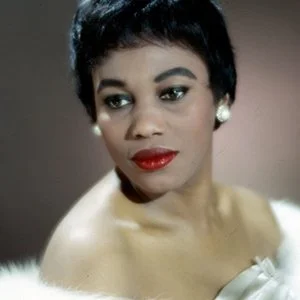
Leontyne Price (b. 1927)
Leontyne Price is an American soprano opera singer and one of the first African-American soprano to attain national fame. Born in Laurel, Mississippi, music was important to her from an early age; not only did she grow up listening to her mother sing in the local church choir, but she began taking formal piano lessons when she was five years old and was a renowned singer in her high school choir. After receiving a degree in voice from Central State University in Ohio, Price moved to New York City and began studying at the Juilliard School of Music, where her career took off after performing in a student opera. By the early fifties, she was starring in numerous Broadway operas and touring across Europe, and the United States. She always blew her audiences away; her 1988 performance at the University of Vermont was described by Burlington Free Press as “what singing can be like when the soul is unfettered by the limitations of the instrument.” Additionally, her performance at La Scala Opera in Milan, Italy was the theater’s first debut by a Black singer. Price’s career continued to soar following her 1961 debut at New York City’s Metropolitan Opera, where she performed in the Italian opera II Trovatore. She went on to perform in over two-hundred shows at the Metropolitan, which led her to win thirteen Grammy Awards.
SOURCES:
The Metropolitan Opera, “Leontyne Price: A Legendary Met Career” by Peter Clark.
The Kennedy Center, “Leontyne Price.”
Encyclopedia Britannica, “Leontyne Price.”
IMAGE: Sony/Dave Hecht via Gramphone.
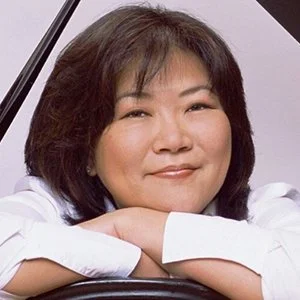
Angela Cheng (b. 1959)
Angela Cheng is a Chinese-Canadian classical pianist and professor of piano at Oberlin College. After receiving her Bachelor’s of Music from the Juilliard School in 1982, she received a Master’s degree in music from Indiana University, where she studied with the American pianist Menahem Pressler. Cheng quickly received international acclaim as a recitalist; she has debuted across the world, from New York’s Carnegie Hall in 2012 to performances in Brazil and Israel. She has also performed in many Lane Series shows, appearing as early as 1989. Aside from performing with most major orchestras in Canada, Cheng has also performed with the Boston Symphony Orchestra, the Pan-Asia Symphony, and numerous string quartets throughout China and South America. Her long performance career has made her a reputable judge in international piano competitions across North America, from Montreal to New Orleans.
SOURCES:
Oberlin College and Conservatory, “Angela Cheng.”
The Burlington Free Press, “On stage.” 20 July 1989, p. 7D.
The Canadian Encyclopedia, “Angela Cheng.”
IMAGE: Via the Fryderyk Chopin Society of CT.
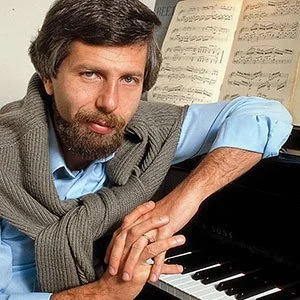
Vladimir Feltsman (b. 1952)
Vladimir Feltsman is a Russian-American classical pianist and conductor. While studying the piano and conducting at the Moscow and St. Petersburg conservatories, Feltsman received international acclaim with his victory in Paris’s 1971 Marguerite Long International Piano Competition. He went on to tour across Europe, Japan, and the former Soviet Union, eventually emigrating to America in 1987 to escape the Soviet Union’s restrictions on artistic freedom. Among his first American performances were a recital at the White House and a debut at Carnegie Hall, which firmly established his place as a renowned artist in American classical music. In addition to his performances with many major American and European orchestras, Feltsman has traveled to Vermont on numerous occasions, with performances at both the Lane Series and Middlebury College. Today, he is a Professor of Piano at the State University of New York in New Paltz and serves on the piano faculty at The New School in New York City.
SOURCES:
The New School Mannes, “Vladimir Feltsman.”
Vladimir Feltsman, “Biography.”
New Paltz School of Fine and Performing Arts, “Faculty: Vladimir Feltsman.”
Burlington Free Press, “New sounds abound.” 14 September 1989, p. 11D.
Burlington Free Press Daily Calendar. 19 September 2008, p. 6C.
IMAGE: Wikipedia, public domain, Bernard Gotfryd 1987
Panel #6

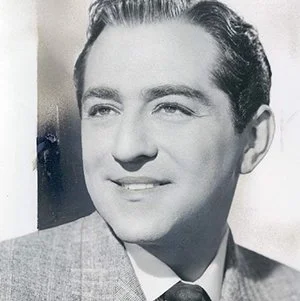
Robert Merrill (1917-2004)
Robert Merrill was an American opera singer and actor. Merrill was instructed in singing as a child by his mother, a talented soprano who had been discouraged by her own family from pursuing a career in music. However, his studies did not become serious until he was a teenager, when he stumbled upon a rehearsal at the nearby Metropolitan Opera while working at a nearby clothing store and was inspired to pursue opera singing. Despite his failure in his first audition at the Metropolitan, Merrill persisted, and two years later successfully auditioned for a role in the Opera’s 1945 performance of the Italian opera La Traviata. This was the first of over five hundred shows that he would perform at the Metropolitan, and by 1960 he was regarded as their best baritone voice; the Burlington Free Press said that his 1973 performance at the University of Vermont “enrapture[d]” his audience. In addition to his performance career, Merrill also recorded with RCA Records and acted in the 1952 film “Aaron Slick from Punkin Crick.”
SOURCES:
IMAGE: Wikipedia, Public domain
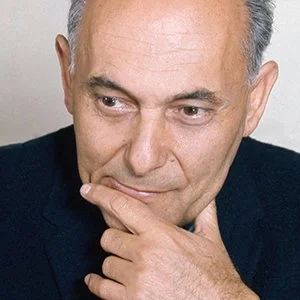
Sir Georg Solti (1912-1997)
Georg Solti was a Hungarian-British conductor. He began playing the piano when he was six, and as a teenager at Budapest’s Liszt Music Academy he quickly became interested in the world of conducting. Solti left Hungary in 1939 because of restrictions on performances by Jewish musicians, and after a brief stay in Switzerland, where he won the 1942 Geneva International Piano Competition, he moved to Germany and served as music directors of the Bavarian State Opera in Munich and the city of Frankfurt. He is most famous for his appointments as the music director of the London Symphony Orchestra from 1961 to 1971 and the chief conductor of the Chicago Symphony Orchestra from 1969 until his retirement in 1991. His skilled conducting quickly brought the Chicago Symphony Orchestra international fame, leading the Orchestra on numerous tours throughout the United States and Europe. He even brought the Orchestra to the 1972 University of Vermont Lane Series. His work earned him 74 Grammy nominations and 31 Grammy Awards.
SOURCES:
Independent, “OBITUARY: Sir Georg Solti” by Noel Goodwin. 8 September 1997.
Burlington Free Press, “Chicago Symphony Plays Lane Concert Tonight.” 7 December 1972, p. 34.
Recording Academy Grammy Awards, “Georg Solti.”
IMAGE: 1975 by Allan Warren, CC BY-SA 3.0, from Wikipedia
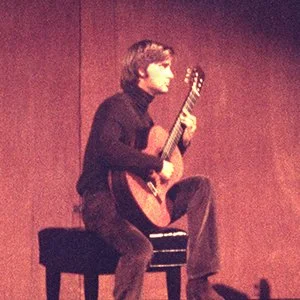
Christopher Parkening (b. 1947)
Christopher Parkening is an American classical guitarist. Parkening started playing the guitar when he was eleven years old, and was inspired to pursue classical playing after buying recordings of the Spanish classical guitarist Andrés Segovia. He began studying with Segovia after receiving a scholarship to perform in his class at the University of California, Berkeley, and he later enrolled at the University of Southern California and studied musical interpretation with the cellist Gregor Piatigorsky. By the late sixties Parkening signed a contract to produce six albums with Capitol Records, which began a career of internationally-acclaimed solo tours. Alongside his numerous albums, Parkening has published a two-volume guitar method and founded the Parkening International Guitar Competition. Some of his most notable performances include Carnegie Hall, the White House, and the Grammy Awards show. He has also performed many times in Vermont, including appearances at Johnson State College and the University of Vermont. Today, he serves as a Distinguished Professor of Music at Pepperdine University.
SOURCES:
Parkening, “Life Story and Christian Testimony” by Christopher Parkening.
Pepperdine Seaver College, “About Christopher Parkening.”
Burlington Free Press, “Guitarist to Play at Johnson College Thursday.” 23 September 1972, p. 3A.
Burlington Free Press, “Parkening Plays Bach” by Maggie Maurice. 17 February 1975, p. 11.
IMAGE: Mark Westling Photography, 1975. CC BY-SA 3.0.
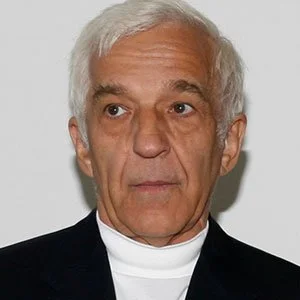
Vladimir Ashkenazy (b. 1937) (English Signature)
Vladimir Ashkenazy is a Russian pianist and conductor. Ashkenazy began playing the piano when he was six years old, and two years later enrolled at Moscow’s Central Music School. He entered the Moscow Conservatory as a teenager in 1955, and the next year received international fame by winning the Queen Elizabeth of Belgium International Competition for classical musicians. Ashkenazy toured the United States in 1958 and Britain in 1963, eventually leaving the USSR and becoming a citizen of Iceland in 1972. He has served as a conductor for Royal Philharmonic Orchestra, the Czech Philharmonic, and the Sydney Symphony. His piano recordings cover composers across countries and centuries, including Hungary’s Béla Bartók and Germany’s Johann Sebastian Bach. His work with famous composers like Sir Georg Solti and Itzhak Perlman has earned him multiple awards, including seven Grammys.
Ashkenazy has performed multiple shows in Vermont. Before his appearance in the 1978 Lane Series, the Burlington Free Press wrote that “it is almost impossible to believe that Vladimir Ashkenazy…will be in Burlington once more…Tonight Burlington will hear the pianist who’s at the top.”
SOURCES:
Encyclopedia Britannica, “Vladimir Ashkenazy.”
Spotify, “Vladimir Ashkenazy.”
Vladimir Ashkenazy, “Biography.”
Recording Academy Grammy Awards, “Vladimir Ashkenazy.”
IMAGE: 2007. CC BY-SA 3.0.
Panel #7
Christopher Hogwood (1941-2014)
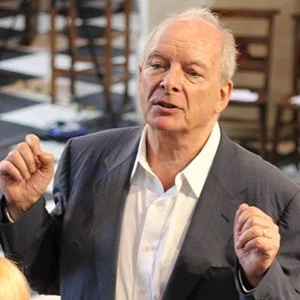
Christopher Hogwood was an English conductor and musicologist. After studying at Cambridge University in the sixties, Hogwood became a keyboardist at the Academy of Saint Martin and co-founded the Early Music Consort in London. However, it was not until he founded England’s Academy of Ancient Music in 1973 that he rose to international fame. Under his direction, the Academy received widespread acclaim for its exploration of ancient music through scholarship and performance, often performing compositions that were edited and prepared by Hogwood himself. The Burlington Free Press said that one of his compositions performed by the Academy in the 1985 Lane Series was “expertly played with a velvet tone and balance that were admirable.” He has produced hundreds of recordings, including all of Mozart’s symphonies and piano concertos. Additionally, Hogwood has conducted with groups across the United States, including the Los Angeles Philharmonic and Chicago Symphony orchestras. Hogwood also taught at the Royal Academy of Music, Cambridge University, Harvard University, Gresham College, and Cornell University.
SOURCES:
The Guardian, “Christopher Hogwood obituary” by Barry Millington. 24 September 2014.
IMAGE: CC BY-SA 4.0.
Yo-Yo Ma (b. 1955)
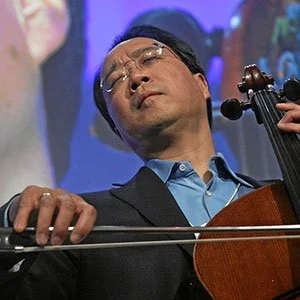
Yo-Yo Ma is an American cellist. Ma began studying the cello with his father when he was four years old, and as an adult continued his studies at the Juilliard School of Music in New York City and Harvard University in Massachusetts. He has performed as a soloist and with orchestras across the globe, his most famous of which include performances of Johann Sebastian Bach’s six suites. Ma is particularly interested in expanding the repertoire of classical cello, so his performances frequently include compositions by lesser-known musicians from the 20th and 21st centuries. His dedication to diversifying classical music led him to found Silkroad, an international group of artists who compose and perform multicultural music. This work has led him to record over one-hundred albums and earn countless awards, including the Avery Fisher Prize, eighteen Grammy Awards, the Presidential Medal of Freedom, and the National Medal of the Arts.
Yo-Yo Ma has deep ties to Vermont. He spent many years playing the cello at the Marlboro Music Festival before entering college, and he has also performed with the Vermont Symphony Orchestra.
SOURCES:
Encyclopedia Britannica, “Yo-Yo Ma.”
The Barre Montpelier Times Argus, “Cellist Yo Yo Ma to solo with VSO” by Jim Lowe. 2 May 2010.
IMAGE: World Economic Forum, 2008. CC BY-SA 2.0.
James Galway (b. 1939)
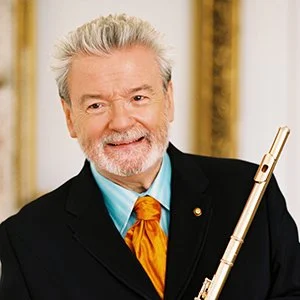
James Galway is an Irish flutist. Galway learned to play the flute as a child with his father and grandfather, and his talent quickly made him famous; by the time he was ten, he had won every single solo competition in Ireland’s national flute championships. Galway studied at the Royal College of Music, the Guildhall School of Music, and the Paris Conservatory, after which he began performing with operas and orchestras across London. He went on to become the solo flutist for the Berlin Philharmonic Orchestra in 1969, which led to an international performing career. Vermont was thrilled when he performed in Burlington in 1986; The Burlington Free Press reported that he received “a carpet of applause that led to two encores.” Galway has earned numerous awards, including the President Merit Award from the Recording Academy and the Order of the British Empire Award from Her Majesty Queen Elizabeth II. Aside from his performance career, he has recorded nearly one hundred albums, founded the Galway Flute Academy, and has taught at the Royal College of Music, the University of Miami, and the Birmingham Conservatoire.
SOURCE:
Encyclopedia Britannica, “James Galway.”
Sir James Galway, “Sir James Galway.”
IMAGE: Press photo from ‘Sir James Galway Press Kit Photography’
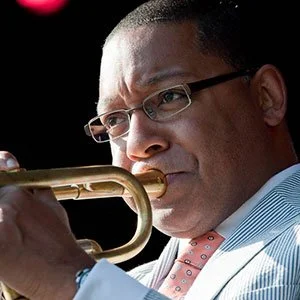
Wynton Marsalis (b. 1961)
Wynton Marsalis is an American jazz trumpeter and composer. A New Orleans native, Marsalis was inspired to pursue the trumpet by his hometown’s diverse music scene, making his first performance at eight years old in the city’s Fairview Baptist Church. During high school, he also performed with the New Orleans’s Philharmonic, Symphony Brass Quintet, and Youth Orchestra. Wynton was quickly projected to national fame after enrolling at the Juilliard School of Music in New York, where his performances earned him a record deal with Columbia Records. Around the same time, he also founded the Wynton Marsalis Quintet, which performed internationally for fifteen years. He has now recorded over one hundred records, and performed with orchestras throughout England and North America, including the London Royal Philharmonic, the Toronto Symphony Orchestra, the Los Angeles Philharmonic, and the Boston Pops. Even when he isn’t performing solo, his talent stands out; The Burlington Free Press said that his performance with the Eastman Wind Ensemble in the 1987 Lane Series was “so flawless that one brilliant line virtually melds right into the next.” Among his countless achievements, Marsalis has earned the Pulitzer Prize in Music, an Emmy Award, and nine Grammy Awards.
SOURCES:
The Burlington Free Press, “Marsalis’ Burden of Genius” by Paul Kaza. 9 March 1987, p. 6B.
Recording Academy Grammy Awards, “Wynton Marsalis.”
IMAGE: Wikipedia, Eric Delmar, public domain
Panel #8
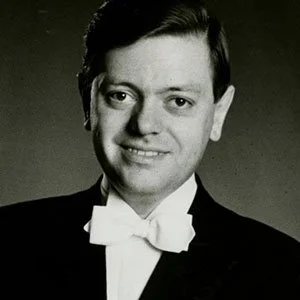
Philippe Entremont (b. 1934)
Philippe Entremont is a French pianist and conductor. Having played the piano since childhood, Entremont received numerous awards for piano and chamber music performances by the time he was a teenager. As an eighteen-year-old, Entremont was propelled to international fame with a debut show at Carnegie Hall, during which he performed musical compositions by the French composer André Jolivet. Since then, he has toured across Europe and the Americas. Many of his tours have stopped in Burlington; he’s made frequent appearances in the Lane Series, including a 1994 appearance as a guest conductor with the Vermont Symphony Orchestra. Entremont’s other performances in the United States include shows with the New Orleans and Denver symphonies. Today, he is the founder of the Santo Domingo Music Festival in the Dominican Republic and the Principal Conductor of the Chamber Orchestra of the Netherlands.
SOURCES:
Spotify, “Philippe Entremont.”
Philippe Entremont, “Biography.”
Burlington Free Press, “Entremont sets tone for the season” by Dan Wolfe, 18 October 1994, p. 12A.
IMAGE: From Popular Bio Philippe Entremont
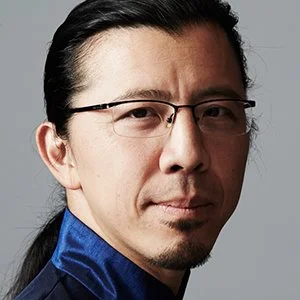
Frederic Chiu (b. 1964)
Frederic Chiu is an American concert pianist. Chiu studied piano performance at Indiana University under the famous pianist Karen Shaw and then continued on to the Juilliard School, where he studied with Abbey Simon, Shaw’s own teacher. He quickly decided to establish a career in Paris, where in 1991 he helped to found the Consonance Music Festival. His loss in the Van Cliburn for classical pianists in 1993 brought him enormous fame, with many critics relenting his loss in the final round of the competition. Since then, he has toured throughout the United States and Europe, during which he has received enormous praise. His 1995 Lane Series performance filled the recital hall, and he was described as “intensely passionate”, with an “electric presence.” Today, he is a Professor of Piano at Carnegie Mellon University.
SOURCES:
Yamaha, “Classical Pianists: Frederic Chiu.”
Carnegie Mellon University, “Frederic Chiu bio.”
IMAGE: Headshot by Chris Craymer, from Frederic Chu Media
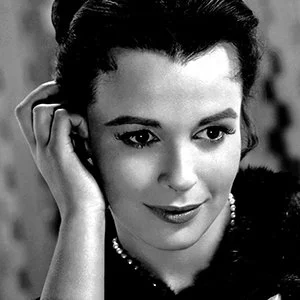
Claire Bloom (b. 1931)
Claire Bloom is an English actress. After studying at London’s Guildhall School of Music and Drama as a child, Bloom performed in numerous Shakespeare productions, including roles as Juliet in Romeo and Juliet and as Ophelia in Hamlet. These performances led to her discovery by Charlie Chaplin in the early fifties, who invited her to audition for and subsequently casted her as the star ballerina in his 1952 film Limelight. This catapulted Bloom’s acting career; her path to stardom continued with later performances in Laurence Olivier’s Richard III, Tennessee Williams’s A Streetcar Named Desire, and Richard Brooks’s The Brothers Karamazov among others. Not only has she received Emmy and Grammy nominations, but she has also earned two acting awards from the British Academy of Film and Television Arts.
Bloom performed a show of music and poetry with the flutist Eugenia Zukerman in the 1995 UVM Lane Series, which was described as Lane’s “most inventive offering of the year.”
SOURCES:
Encyclopedia Britannica, “Claire Bloom.”
Jewish Women’s Archive, “Claire Bloom.”
Television Academy, “Claire Bloom.”
Recording Academy Grammy Awards, “Claire Bloom.”
Burlington Free Press, “The Shortlist”, 28 September 1995, p. 10.
IMAGE: Wikipedia, public domain, from The Brothers Karamazov
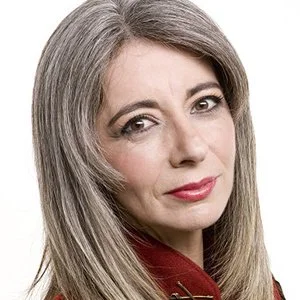
Evelyn Glennie (b. 1965)
Evelyn Glennie is a Scottish percussionist. Glennie first began to play percussionists as a child when she became deaf; she was drawn to percussion because she felt that she could “feel the sound.” She left Scotland as a teenager in 1982 to study orchestral percussion and piano at London’s Royal Academy of Music, where she was the first student to give a percussion recital. Her career at the Academy paved the way for her professional career as a percussionist, and in the eighties began to tour throughout Europe and the United States, including a 1996 performance in the Lane Series. Glennie has enormously expanded the field of solo percussion, performing in over forty countries across five continents both as a soloist and alongside hundreds of orchestras. This led her to win a Grammy Award and designation as an Officer of the British Empire for her contributions to European music.
SOURCES:
Evelyn Glennie, “Evelyn Glennie Biography.”
Burlington Free Press, “Silent but lovely.” 26 March 1996, p. 11A.
Percussive Arts Society, “Evelyn Glennie” by Lauren Vogel Weiss.
IMAGE: By Jim-Callaghan, from Evelyn Glennie.
Panel #9
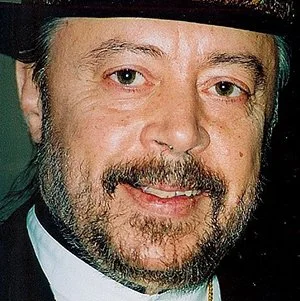
Chuck Mangione (b. 1940)
Chuck Mangione is an American jazz musician. While studying music at the University of Rochester in New York, from which he graduated in 1963 he began playing the trumpet in The Jazz Brothers band with his brother, Gap. After briefly leaving Rochester in the sixties to play the trumpet with Art Blakey and the Jazz Messengers, Mangione returned to direct the University of Rochester’s Eastman Jazz Ensemble from 1968 to 1972. His work as a director, including his “Friends and Love” concert with the Rochester Philharmonic Orchestra, earned him his first Grammy nomination and his first major recording contract with Mercury Records. From here, his career skyrocketed; within ten years, Mangione performed at the U.S. Olympics and won two Grammy Awards for his outstanding albums, including his most famous “Feels so Good.” He put on an extraordinarily popular show in the 1976 Lane Series, receiving widespread “applauding and cheering” from a “delighting” audience. Mangione holds an honorary doctorate degree from the University of Rochester.
SOURCES
Chuck Mangione, “Mangione at a Glance.”
University of Rochester Eastman School of Music, “Charles F. (Chuck) Mangione.”
IMAGE: John Matthew Smith, 1998. CC BY-SA 2.0.
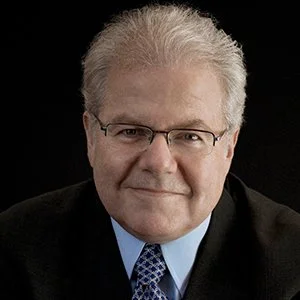
Emanuel Ax (b. 1949)
Emanuel Ax is an American classical pianist. After studying music at the Juilliard School of Music and French at Columbia University in New York, Ax received widespread recognition by winning the Young Concert Artist Award, the Arthur Rubinstein International Piano Competition, and the Avery Fisher Prize all throughout the seventies. He has since performed across the world, playing shows with the Vienna Philharmonic in Europe and a tour of Asia with the London Symphony Orchestra. He has also played multiple shows with the Lane Series. Ax has been a Sony Classical recording artist since 1987, during which he has produced collaborative albums with classical musicians like Yo-Yo Ma, Leonidas Kavakos, and Itzhak Perlman. His albums have earned him seven Grammy Awards, and he holds honorary doctorate degrees from Skidmore College, Columbia University, and Yale University. Ax currently serves on the faculty of the Juilliard School.
SOURCES:
The Juilliard School of Music, “Emanuel Ax.”
The Burlington Free Press. 26 September 1977, p. 10A.
The Burlington Free Press, “Thursday–Sunday” by Susan Kelley. 14 February 1991, p. 12.
Recording Academy Grammy Awards, “Emanuel Ax.”
IMAGE: Press photo from emanuelax.com/press
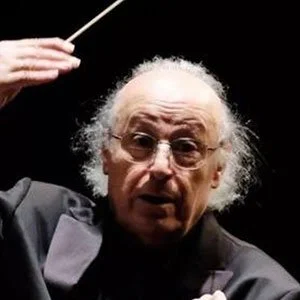
Eliahu Inbal (b. 1936)
Eliahu Inbal is an Israeli conductor. Inbal studied the violin and composition at both the Jerusalem Music Academy and the Paris Conservatory, where he was mentored by famous conductors like Leonard Bernstein and Louis Fourestier. He went on to win Italy’s Centelli Conducting Competition at twenty six years-old, and from here his career excelled. Since then, Inbal has masterfully conducted orchestras across the world; his 1980 performance with the Frankfurt Symphony Orchestra in Burlington was called “one of the high spots” of the Lane Series. His long term positions include working as the principal conductor for Teatro La Venice opera house in Italy, the director for the Tokyo Metropolitan Symphony Orchestra in Japan, and the principal conductor of the Berlin Symphony Orchestra in Germany. His international conducting career earned him designation as an officer of the Order of Arts and Letters from the French government, the Order of Merit from Germany, and the Golden Medal for Merit from the city of Vienna, Italy.
SOURCES:
America-Israel Cultural Foundation, “Eliahu Inbal.”
IMAGE: From Maggio Musicale Fiorentino
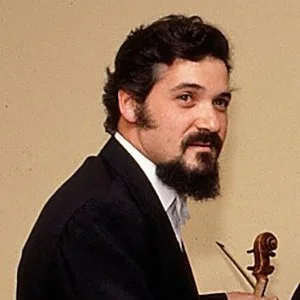
Pinchas Zukerman (b. 1948)
Pinchas Zukerman is an Israeli-American violinist, violist, and conductor. Zukerman began studying the violin when he was seven years old, and a year later enrolled in the Tel Aviv Academy of Music. He then moved to New York City as a teen to study at the Juilliard School of Music, and he made his debut performance in the City two years after his graduation. This sparked an international touring career, during which Zukerman has performed as a soloist in every corner of the globe. His tours also include numerous appearances as a guest conductor for the Royal Philharmonic Orchestra in London, the Montreal Symphony Orchestra, and the Korean Chamber Orchestra amongst others. He also conducted the Saint Paul Chamber Orchestra in his 1987 Lane Series concert. His discography is massive, with over one hundred titles that include collaborations with numerous classical musicians. Alongside his performance career, Zukerman is the founder of National Arts Centre Institute for Orchestra Studies in Canada and currently teaches the violin at the Manhattan School of Music in New York. His awards include the Medal of Arts and two Grammy Awards.
SOURCES:
Encyclopedia Britannica, “Pinchas Zukerman.”
National Arts Centre, “Pinchas Zukerman.”
IMAGE: Bernard Gotfryd, 1980, cropped. Public domain.
Panel #10
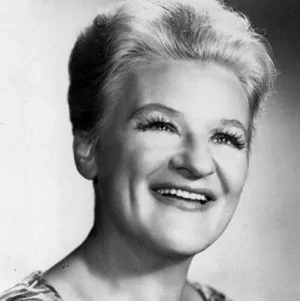
Anna Russell (1911-2006)
Anna Russell was an English-Canadian singer and pianist known for performing classical comedy music. Russell’s career began at the Royal College of Music in London, where she studied piano, voice, and composition. Russell discovered her talent for comedy while studying with the composer Ralph Vaughn Williams, and in 1939 moved to Toronto and began composing comic songs for BBC and CBC, and eventually moving on to New York in the late forties. Her first big hit was her record “Anna Russell Sings?”, full of brilliant folk and classical parodies, which was released in 1953 and was the top-selling classical album. She then spent the rest of the fifties on national and international tours, including a 1956 Lane Series performance. Audiences adored her clever songs, and her shows were well-attended at famous venues like London’s Royal Albert Hall. Although she retired in the eighties and died in 2006, her witty compositions still resonate with listeners around the world; her most popular works include her parody of the German musical drama Der Ring des Nibelung and her satirical opera song How to Write Your Own.
SOURCES:
IMAGE: Wikipedia, Ashley Famous Agency, public domain
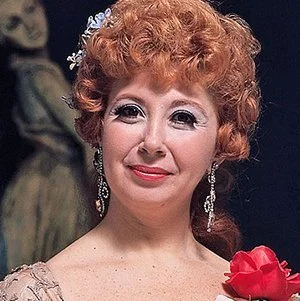
Beverly Sills (1929-2007)
Beverly Sills was an American opera singer. Sills’s singing career began at four years old, and as early as sixteen began touring with opera companies to perform pieces by famous composers like the English duo Gilbert and Sullivan and the Italian Giuseppe Verdi. She was eventually accepted into the New York City Opera in 1955, where she started to receive overwhelmingly positive receptions for her performances from music critics. She later received international acclaim in 1966 for her performance as Cleopatra in a New York production of the Italian opera Giulio Cesare, and afterwards began to perform in opera houses across Europe. She wowed Vermonters during her July 1949 performance, and the Burlington Free Press praised her for her “remarkable control” over her voice. Upon retiring from the stage in 1980, Sills became the director of the New York City Opera and served as the board of New York’s Lincoln Center for the Performing Arts in Times Square.
SOURCES:
Jewish Women’s Archive, “Beverly Sills” by June Sochen.
Burlington Free Press, “Estelle Liebling Singers Demonstrate Unusual Talent.” 27 July 1949, p. 7.
NPR, “Soprano Beverly Sills: A Silvery Voice, Silenced at 78” by Tom Huizenga. 2 July 2007.
IMAGE: Wikipedia, Bernard Gotfryd 1969, public domain
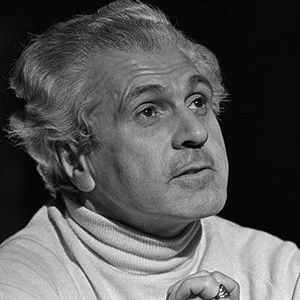
Julius Rudel (1921-2014)
Julius Rudel was an Austrian-American conductor who directed the New York City Opera for over 20 years. Having fled to New York in 1938 during Hitler’s occupation of Austria, Rudel studied conducting at the New School and then joined the New York City Opera in 1944. Starting as an unpaid pianist, he quickly rose to fame within the Opera for his relentless work ethic and innovative playing and programming, which emphasized contemporary American music. He quickly rose the ranks of the Opera and became the principal conductor and director in 1957, during which he brought the Opera international fame with his unique programming, skillful conducting, and diverse knowledge of production both on and behind the stage. When he wasn’t leading one of the Opera’s hundreds of performances in New York City, Rudel conducted shows across the country and world, from Chicago and San Francisco to London and Munich. He also conducted a widely-acclaimed production of the opera La Boheme in the 1957 Lane Series. Shortly before his death in 2014, he was honored by the National Endowment for the Arts for his enormous contributions to American opera music.
SOURCES:
The National Endowment for the Arts, “Julius Rudel.”
IMAGE: Photo by Beth Bergman via Opera America.
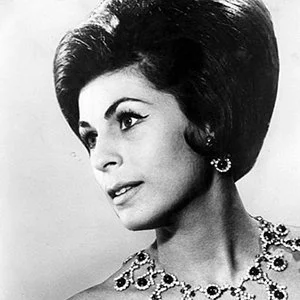
Roberta Peters (1930-2017)
Roberta Peters was an American opera singer who performed with the New York Metropolitan Opera for 35 years. Having studied music with a voice teacher since the age of thirteen, Peters was thrown into fame as a twenty-year-old in 1950 when the manager of the Met, a colleague of her voice teacher, asked her to fill a last-minute role in their production of Mozart’s opera Don Giovanni. From here, she quickly received widespread acclaim for her charming stage presence and her stunning soprano voice, which reached shockingly high notes with exceptional ease. This kickstarted Peters’s extraordinary career with the Metropolitan Opera, during which she performed at over five hundred shows in New York and across the country, including performances for US presidents and appearances at the Vienna State Opera in Austria and the Royal Opera House in London. When Peters sung in the Lane Series in March 1959, Burlington Free Press described her performance as “down to earth yet out of this world.”
SOURCES:
IMAGE: Sol Hurok 1974, Wikipedia, public domain
Panel #11
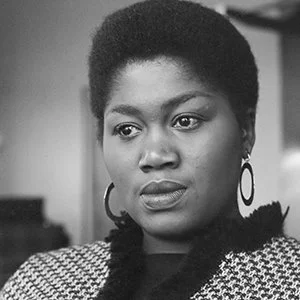
Odetta (1930-2008)
Odetta was an American folk singer, guitarist, and civil rights activist. Born in Alabama at the peak of the Great Depression, Odetta’s music was initially shaped by the prison and work songs of the Deep South. She began singing after moving to Los Angeles in 1937, and went on to study music at Los Angeles City College. Odetta then moved to New York City in 1953, where she gained a reputation for her performances at local nightclubs. After releasing her debut album Odetta Sings Ballads and Blues in 1956, she began to tour across the country as a critically-acclaimed folk musician, including shows at the Newport Folk Festival in Rhode Island and Carnegie Hall in New York. She often used her music to speak out in support of the civil rights movement, and in 1963 performed at the March on Washington led by Martin Luther King Jr. Her awards include a National Medal of Arts from President Clinton and a Living Legend from the United States Library of Congress.
Odetta performed many shows throughout Burlington, and even recorded an album in Vermont. During a phone interview with the Burlington Free Press, she said that she “experienced some very friendly, warm and loving people up there in Burlington.”
SOURCES:
Library of Congress, “Legendary Folk Singer Odetta.” 3 November 2003.
Encyclopedia Britannica, “Odetta.”
IMAGE: Wikipedia. CC0.
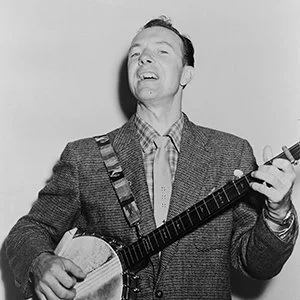
Pete Seeger (1919-2014)
Pete Seeger was an American folk singer and activist. Seeger first heard the five-string banjo, his main instrument, when he went to a square-dancing festival in North Carolina as a child, and he quickly fell in love with rural folk music traditions. After briefly attending and dropping out of Harvard University, Seeger formed the Almanac Singers folk quartet with Woodie Guthrie and later the Weavers, performing in places like union halls and farm meetings to advocate for left-wing labor politics. Although his communist sympathies resulted in his blacklisting by many concert venues and record labels, Seeger continued to record solo folk albums and advocate for civil and labor rights through performances at anti-war, civil rights, labor, and environmental justice protests. He was also welcomed to the 1960 UVM Lane Series, where “his audience was hooked” by his protest songs. He earned three Grammys and a Lifetime Achievement Award.
SOURCES:
Encyclopedia Britannica, “Pete Seeger.”
Pete Seeger Music, “About Pete Seeger.”
Recording Academy Grammy Awards, “Pete Seeger.”
IMAGE: Fred Palumbo, 1955. Public domain.
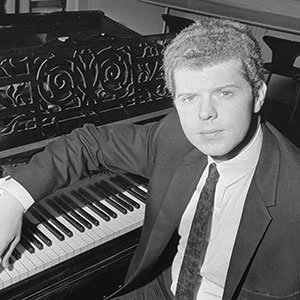
Van Cliburn (1934-2013)
Van Cliburn was an American pianist. Cliburn began studying the piano with his mother, a pianist, when he was three years old, and within a year was performing in student recitals. He made a debut with the Houston Symphony when he was thirteen, and at seventeen began studying on scholarship at the Juilliard School of Music in New York. Cliburn became an American icon when, at the peak of the Cold War, he won the Tchaikovsky International Piano Competition in Moscow, Russia. Upon his return to the United States, he quickly signed a recording contract with RCA Victor, with his debut recording of the Tchaikovsky Piano Concerto quickly becoming a best-selling album. He also performed in the University of Vermont’s Lane Series in 1962, where he was so popular that, according to the Burlington Free Press, “[h]e could have played encores until midnight.” Even after his retirement in 1978, Cliburn continued to made sporadic appearnces, including shows at White House and the Kennedy Center for the Performing Arts in Washington, D.C. His awards include the Kennedy Center Honors and the National Medal of Arts.
SOURCES:
Encyclopedia Britannica, “Van Cliburn.”
IMAGE: Jac de Nijs, 1966. CC BY-SA 3.0 nl.
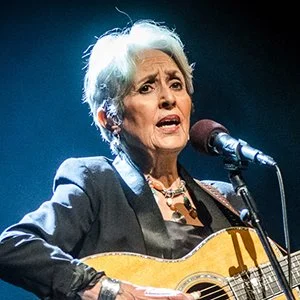
Joan Baez (b. 1941)
Joan Baez is an American singer, songwriter, and activist. Baez began singing as a teenager at Club 47 in Cambridge, Massachusetts. Her frequent performances in Boston eventually got her invitations to perform at The Gate of Horn nightclub in Chicago and the Newport Folk Festival in Rhode Island, and from here her career skyrocketed. Within a year, she signed a recording contract with Vanguard Recording Society and produced Joan Baez, which was an instant success. Her newfound fame, along with her upbringing by her pacifist father, make Baez an iconic figure in the folk music and justice movements of the sixties. Not only did she sing at the 1963 March on Washington, but she was also arrested for participating in anti-war protests during the Vietnam War. Her most notable accomplishments include a national concert tour with Bob Dylan in the sixties, a headline performance at the 1969 Woodstock Festival, two Grammy Awards, eight best-selling albums, and induction into the Rock and Roll Hall of Fame.
Baez’s music and political message have been warmly embraced by Vermonters; aside from her Lane Series shows, performed a sold-out show at Burlington's Flynn Center in 2016.
SOURCES:
Image: Jim Gilbert, 2016. CC BY-SA 4.0.
Panel #12
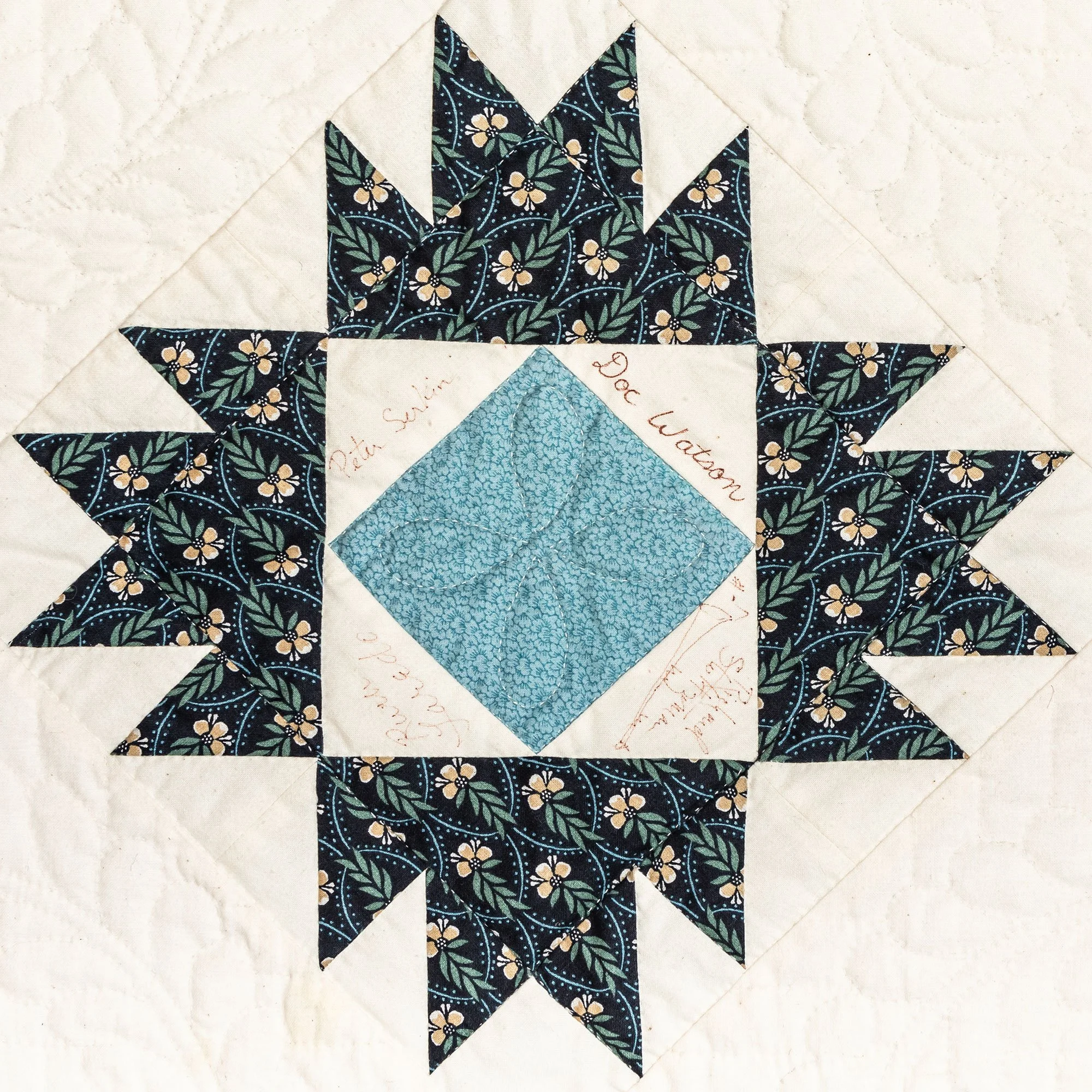
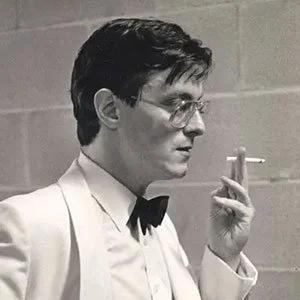
Peter Serkin (1947-2020)
Peter Serkin was an American classical pianist. Born into a family of musicians, Serkin learned the piano as a child and began performing before he even reached his teen years, including many appearances at the Marlboro Festival in Vermont. However, he became disillusioned with the culture of classical music as a young adult, and after spending many years traveling across the world returned to the United States as a musician committed to contemporary art. Whether he was playing Renaissance music or the works of 20th century composers like Wolpe and Stravinsky, Serkin was acclaimed for his sensitive, thoughtful weaving of old traditions into modern scores. This earned him the status as a nonconformist icon, whom many fans placed within the counterculture movement of the sixties and seventies. In the early seventies, Serkin founded the Tashi Quartet with the cellist Fred Sherry, clarinetist Richard Stoltzman, and violinist Ida Kavafian. He also taught music at the Tanglewood Music Institute, the New School, and Juilliard School.
Even after his time in Marlboro, Serkin continued to make many trips to Vermont. He performed at both the University of Vermont and the Flynn Center for the Performing Arts.
SOURCES:
NPR, “Remembering Peter Serkin, The Searching Pianist” by Tom Huizenga. 3 February 2020.
Burlington Free Press, “Fall arts preview.” 9 September 2004, p. 4.
Burlington Free Press, “Music Calendar.” 18 October 2007, p. 6.
IMAGE: Photo by Donald Dietz via New York Times
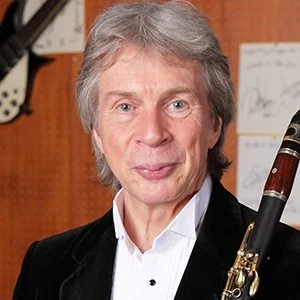
Richard Stoltzman (b. 1942)
Richard Stoltzman is an American clarinetist. Taking after his father’s love for jazz music, Stoltzman started learning the clarinet when he was eight years old. After studying music and mathematics at Ohio State University, he earned a Master of Music degree from Yale University in 1967. Following his graduation, Stoltzman began playing the clarinet with Vermont’s Marlboro Music Festival, where he gained critical experience in performing chamber music. He eventually began to make history; not only was he the first clarinetist to give a recital at New York’s Carnegie Hall, but he was also the first wind instrument musician to earn the Avery Fisher Prize for classical music. Today, he has performed with hundreds of orchestras spanning across continents and genres, from the Beaux Arts Trio of Massachusetts to the Amadeus String Quartet of England. He even performed in the 2002 Vermont Mozart Festival. Stoltzman has earned three Grammy awards for his ensemble and chamber performances, and he now serves as a faculty member of the New England Conservatory.
SOURCES:
The New England Conservatory, “Richard Stoltzman.”
Burlington Free Press, “Things to Do.” 4 October 2002, p. 6C.
Recording Academy Grammy Awards, “Richard Stoltzman.”
IMAGE: by A. Kumamoto from richardstoltzman.com/photos
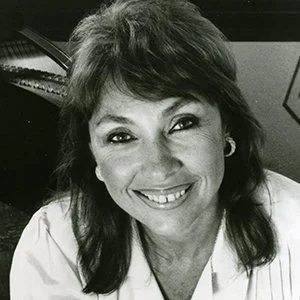
Ruth Laredo (1937-2005)
Ruth Laredo was a classical American pianist. Born in Detroit, Laredo became dedicated to learning the piano after attending a performance by the Russian-American classical pianist Vladimir Horowitz. After studying under the pianist Rudolf Serkin at the Curtis Institute of Music, Laredo dedicated herself to recording the works of Russian composers Alexander Scriabin and Sergei Rachmaninoff. Her performances received exceptional critical acclaim; she was the first classical pianist to record Rachmaninoff’s complete solo repertory. The Burlington Free Press wrote that her 1981 performance of his work in the Vermont State Symphony was “unabashedly romantic and unquestionably successful.” This success brought her international acclaim, and she continued to produce masterful recordings of pieces by composers Beethoven, Bach, and Mendelssohn amongst others. Laredo spent the last seventeen years of her life, up until her death in 2006, performing in the Metropolitan Museum of Art’s “Concerts with Commentary” series in New York City.
SOURCES:
IMAGE: Jennifer Laredo Watkins 1990, Wikipedia, CC BY-SA 4.0
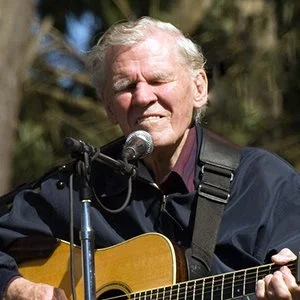
Doc Watson (1923-2012)
Doc Watson was a folk and bluegrass songwriter and guitarist. Music was a part of Watson’s life from an early age; he was first gifted a harmonica when he was six, and he was playing both the banjo and guitar by the time he was twelve. Soon enough, he began playing his guitar on the streets for tips, which led to his first appearance on the radio in Lenoir, North Carolina. He began playing the electric guitar in a local country group in the fifties to support his family, but it was not until Watson was in his late thirties, that his career began to grow outside of southern Appalachia. In 1960, he began touring with Tennessee banjo player Clarence Ashley, eventually moving on to his own solo performances in 1961. His career also blossomed with the help of musicologists Ralph Rinzer and Eugene Earle, who recorded Doc’s music in North Carolina to play in Northern cities. Doc, surprised to receive interest from Northern states, quickly began touring in the Northeast at various colleges, clubs, and music festivals. His frequent shows in Burlington made him an icon of the region’s bluegrass scene. His touring and recording career, which spanned across decades, earned him seven Grammy Awards and the National Medal for the Arts.
SOURCES:
Bluegrass Music Hall of Fame and Museum, “Hall of Fame Inductees.”
Doc’s Guitar, “A Biography of Doc Watson” by Dan Miller.
Rolling Stone, “Folk Pioneer Doc Watson Dead at 89” by Benjy Eisen.
IMAGE: Eric Frommer, CC BY-SA 2.0
Panel #13
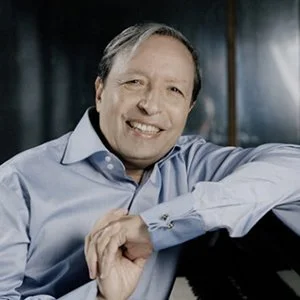
Murray Perahia (b. 1947)
Murray Perahia is an American pianist. Perahia began playing the piano when he was four years old, eventually going on to study conducting and composition at The New School in New York City. He made his first career breakthroughs in his late twenties, when he won the 1972 Leeds International Piano Competition and won the first Avery Fisher Prize for classical music in 1975. From here, he served as the music director of the Aldeburgh Festival of Music and the Arts in England for nine years. Perahia has conducted and performed in every major music venue across the globe and recorded a diverse array of classical compositions, which have earned him numerous Grammophone and Grammy Awards. The Burlington Free Press wrote of his 1983 Lane Series performance that he played the piano “with a sense of wonder and transmitting real joy to his audience.” He currently serves as the Principal Guest Conductor of London’s Academy of St. Martin in the Fields, and he holds honorary doctorate degrees from Leeds University and Duke University.
SOURCES:
Encyclopedia Britannica, “Murray Perahia.”
IMAGE: Press photo from murrayperahia.com/photos
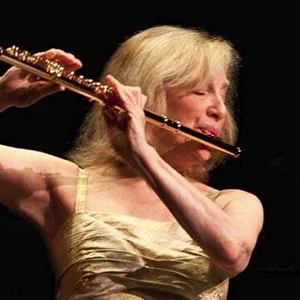
Paula Robison (b. 1941)
Paula Robison is a flutist. Born to a family of artists and musicians, Robison began playing the flute as a child and studied the instrument at the Juilliard School of Music in New York. She made her debut performance with the New York Philharmonic when she was twenty years old, after being invited to perform solo by the group’s conductor, Leonard Bernstein. This began an international performance and teaching career, in which Robison became the first American to win First Prize at the Geneva International Music Competition. Not only is she a founding member of New York’s Chamber Music Society of Lincoln Center, but she also worked for over thirty years as a co-director of the Spoleto Festivals in Italy and the United States. Additionally, she has performed and recorded music at Vermont’s Marlboro Music Festival. These contributions to Italian culture have earned her the Premio Pegaso and Adelaide Ristori Prizes. She currently teaches at the New England Conservatory in Boston.
SOURCES:
New England Conservatory, “Paula Robison.”
IMAGE: Matt Dine, from www.paularobison.com/photos-1
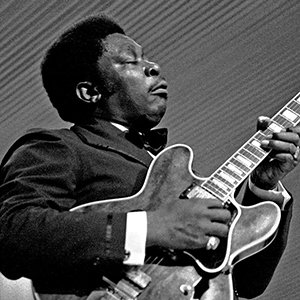
B.B. King (1925-2015)
B.B. King was an American blues musician. A self-taught guitarist raised in a share-cropping family, King made his debut performance at 22 years old in a Memphis nightclub, where he was an immediate hit. He became a popular disc jockey on the local radio station, and his first single, the 1951 “Three O’Clock Blues,” was at the top of the rhythm and blues charts for over three months. By the late sixties, King moved to New York to continue recording and begin performing at larger venues, where he was widely acclaimed for his iconic vibrato notes, which shaped the music of major blues musicians like Eric Clapton and Buddy Guy. King toured across the country, making many Lane Series appearances. He also recorded numerous albums, his most famous of which include Live in Cook County Jail (1971) and Deuces Wild (1997). His awards include fifteen Grammys, the Grammy lifetime achievement award, induction into the Rock and Roll Hall of Fame, and the National Medal of Arts.
SOURCES:
Rolling Stone, “B.B. King, Blues Legend, Dead at 89” by Patrick Doyle. 15 May 2015.
Encyclopedia Britannica, “B.B. King.”
IMAGE: Heinrich Klaffs. CC BY-SA 2.0.
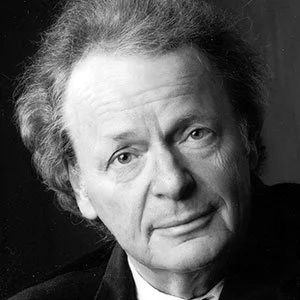
Anton Kuerti (b. 1938)
Anton Kuerti is an Austrian-Canadian pianist. Kuerti began playing the piano as a child and made his debut solo performance when he was only eleven years old, in which he played one of Mozart’s piano concertos. While a student, he won the Philadelphia Orchestra Youth Prize, the Leventritt Award, and the National Music League Award, which began an international touring career. Kuerti has performed on five continents and with many major orchestras, including the New York Philharmonic, the Toronto Symphony, the London Symphony, and the Hong Kong Philharmonic. He has visited Vermont many times, making his debut with the Lane Series in 1984. He is dedicated to making classical music accessible; not only does he often perform in small, rural communities, but he also works to keep tickets to his shows as low as possible. Aside from performing, he has served as the directors for the Music Toronto chamber music series and the Carl Czerny Music Festival. His awards include appointment as Officer of the Order of Canada, Banff Centre National Arts Award, and the Schumann Prize for classical music.
SOURCES:
The Canadian Encyclopedia, “Anton Kuerti.”
IMAGE: From The Canadian Encyclopedia
Panel #14

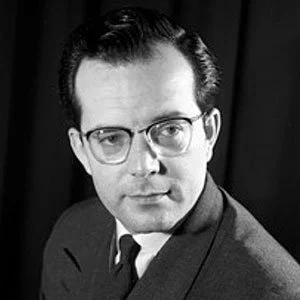
Wolfgang Sawallisch (1923-2013)
Wolfgang Sawallisch was a German pianist and conductor. Sawallisch began playing the piano when he was five years-old, and decided when he was eleven that he wanted to be a conductor. After earning his conservatory degree in 1947, he worked for several years as an opera coach in Augsburg and as the musical director of the opera house in Aachen, Germany. He visited Vermont early in his career in 1964, where he gave an “unforgettable” performance conducting the Vienna Symphony Orchestra in that year’s Lane Series. Sawallisch eventually gained more widespread international fame when he became the music director of the Bavarian State Opera in 1971, where he worked for over twenty years. His reputation later skyrocketed when he was hired as the director of the Philadelphia Orchestra in 1993. Previously criticized for his conservative taste, Sawallisch’s conducting in Philadelphia received widespread acclaim for its new emphasis on younger, modern American composers. By the time he retired from the Philadelphia Orchestra in 2003, he had conducted over a thousand performances across the globe, including shows with Tokyo’s NHK Orchestra, the Israel Philharmonic, and the Paris Orchestra.
SOURCES:
The New York Times, “Wolfgang Sawallisch, Conductor, Dies at 89” by Anne Midgette. 24 February 2013.
The Guardian, “Wolfgang Sawallisch obituary” by David Patrick Stearns. 24 February 2013.
IMAGE: From The Bayerische Staatsbibliothek
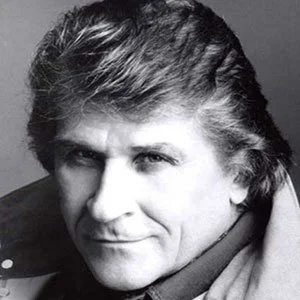
Sherrill Milnes (b. 1935)
Sherrill Milnes is an American opera singer. Milnes studied music at Drake University and Northwestern University, during which he sang in local jazz bands, churches, and opera groups. He made his greatest debut performances as Valentin in the French opera Faust at both the New York City Opera in 1964, just shy of thirty years old, and again with the Metropolitan Opera in 1965. He visited Vermont not long after, singing in the 1967 Lane Series. He went on to perform hundreds of shows with the Metropolitan Opera, where his 1968 performance in Luisa Miller established Milnes as the most important baritone singer of his generation. From here, he began performing internationally in opera houses such as the Royal Opera in London, La Scala in Italy, and Teatro Colon in Argentina. He has also sung across the United States, including Pittsburgh, San Francisco, Chicago, and Denver. He currently serves as a Distinguished Professor of Music Emeritus at Northwestern University.
SOURCES:
IMAGE: From Opera Sense
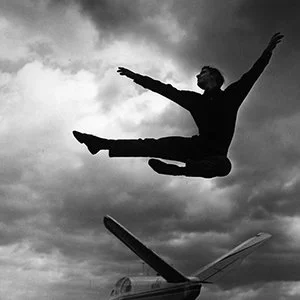
Edward Villella (b. 1936)
Edward Villella is an American ballet dancer. A dancer since he was ten, Villella studied at New York City’s School of Performing Arts and then joined the City Ballet in 1957. He became a soloist within a year of joining, and made some of his greatest performances in shows of A Midsummer Night’s Dream, Watermill, and Prodigal Son. Villella also made numerous appearances across Europe, being the first ever American male dancer to perform at the Bolshio Theatre in Moscow and with the Royal Danish Ballet in Copenhagen. He also performed for Presidents John Kennedy, Lyndon Johnson, Richard Nixon, and Gerald Ford. Villella has made multiple visits to Vermont, dancing in the Lane Series as early as 1967. Following his retirement from dancing, he taught ballet for dance companies across the country, eventually co-founding the Miami City Ballet in 1986. His awards include the National Medal of Arts, induction into the Florida Artists Hall of Fame, and a Kennedy Center Honoree.
SOURCES:
Encyclopedia Britannica, “Edward Villella.”
School of American Ballet, “SAB Trailblazer - Edward Villella.”
The Burlington Free Press, “Lane Series Items Listed for Summer.” 10 June 1969, p. 10.
The Kennedy Center, “Edward Villella.”
IMAGE: Philippe Halsman, 1961. CC BY-NC 2.0.
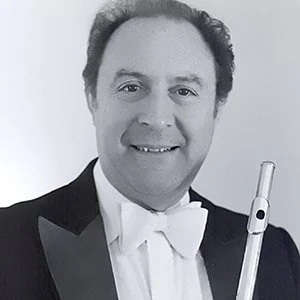
Jean-Pierre Rampal (1922-2000)
Jean-Pierre Rampal was a French flutist. The son of a flute teacher, Rampal studied the instrument at the Paris Conservatory in the forties while avoiding the occupying German forces, who had drafted him for military service. He made his first formal performance in 1945 with the French National Orchestra, after which he was invited to join the Paris Opera. However, Rampal strived to establish a solo performance career, and so he founded the Baroque Ensemble of Paris in 1948 and began touring as a recitalist throughout Europe and the United States during the fifties. This made him one of the first ever flutists to establish a solo career. He was widely adored by Vermonters; The Burlington Free Press wrote that his 1978 show at the University of Vermont quickly sold out, with artists “literally backed on the stage by four bleacher rows.” At the time of his death in 2001, he was one of the world’s most widely recorded artists, with over four hundred records to his name that covered both famous and relatively unknown flute compositions across genres.
SOURCES:
The Washington Post, “Flutist Jean Pierre Rampal Dies at 78” by Richard Pearson. 21 May 2000.
Encyclopedia Britannica, “Jean-Pierre Rampal.”
IMAGE: Jesus Torres. CC BY-SA 2.0.
Panel #15

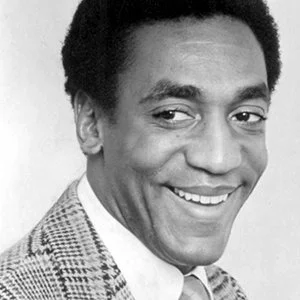
Bill Cosby (b. 1937)
Bill Cosby is an American actor and stand-up comedian. Cosby’s comedy career began in his late twenties, when he dropped out of Temple University to perform at the Gaslight Café in New York City. Here, he established himself as a friendly, accessible comic, which earned him tours across the United States and Canada. His rise to fame continued with his 1965 role in the series I Spy, which was the first appearance by a Black actor in a dramatic role on network television. Soon after, the Lane Series booked him for two shows in their 1968 performance schedule. His early work earned him three Grammy Awards and numerous other television roles, with his situational comedy The Cosby Show eventually aired on NBC in 1984. The show’s focus on an every-day Black American family marked a critical turning point in the representation of Black people in American television. Cosby has also recorded 21 top-selling albums and published two best-selling books. His awards include nine Grammy Awards and 4 Emmys.
Image: William Morris Agency, 1969, public domain
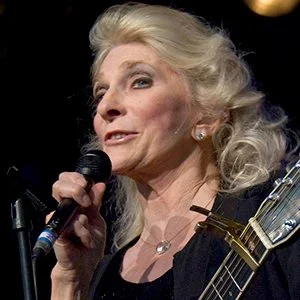
Judy Collins (b. 1939)
Judy Collins is an American singer-songwriter. Collins’s music career began as a thirteen year-old piano prodigy performing Mozart’s concertos. By the late fifties, however, she had taken a keen interest in folk music, and started performing folk pieces on the guitar in local coffeehouses. Her 1961 debut album A Maid of Constant Sorrow landed her a recording deal with Elektra Records, which lasted over thirty years. Her albums and performances, which included covers of lesser-known folk pieces, helped to popularize artists Joni Mitchell, Randy Newman, and Leonard Cohen amongst others. Collins also frequently returned to her classical roots, performing scores by famous composers like Stephen Sondheim. Today, she has released over forty albums, written numerous books, and earned a Grammy Award.
Judy has made multiple visits to Vermont throughout her career. One of her most recent trips was to Stowe in 2019, where she performed at the Spruce Peak Arts Center.
SOURCES:
Encyclopedia Britannica, “Judy Collins.”
Colorado Women’s Hall of Fame, “Judy Collins.”
Recording Academy Grammy Awards, “Judy Collins.”
Burlington Free Press, “Art scene stays busy in July” by Brett Hallenbeck. 18 July 2019, p. 1B.
IMAGE: Bryan Ledgard, 2008. CC BY 2.0.
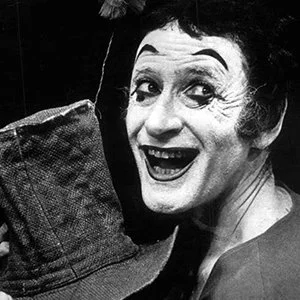
Marcel Marceau (1923-2007)
Marcel Marceau was a French actor and mime. Marceau began acting in 1945 for thousands of American soldiers while serving for the French army in World War II. Immediately after the war, he enrolled in the School of Dramatic Art in Paris, where under the mentorship of Etienne Decroux he began to study mime art. By the early fifties, Marceau formed his own mime troupe and toured across Europe and the United States, receiving widespread acclaim for his on-stage mime persona, Bip. His performances enthralled audiences for decades; after his 1987 performance at Burlington’s Flynn Theater, The Burlington Free Press wrote that “The classic scenes have lost nothing and Marceau’s updated vignettes let mime capture the 1980s.” Aside from his mimodrama performances, he appeared in numerous films, including Mel Brooks’s 1976 Silent Movie. In addition to the hundreds of shows he performed annually at the peak of his career, Marceau also founded the Paris International School of Mimodrama in the 1970s, where he taught new actors the art of mime acting. By the end of his career, his work earned him an Emmy Award, a Legion of Honor Award from the French Government, and numerous honorary degrees.
SOURCES:
Encyclopedia Britannica, “Marcel Marceau.”
Television Academy, “Marcel Marceau.”
IMAGE: Publicity photo via The Paris Review
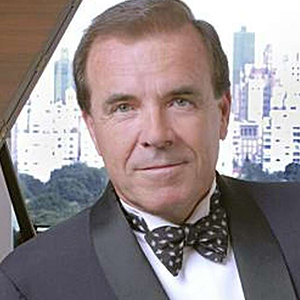
Misha Dichter (b. 1945)
Misha Dichter is an American pianist. Dichter began studying the piano as a child, afterwards moving to New York City to study music at the Juilliard School. He quickly rose to fame when, at twenty years old, he won the Silver Medal at the 1966 Tchaikovsky International Piano Competition in Moscow, Russia. This launched an international performance career, which included debuts with the Boston Symphony Orchestra, the Berlin Philharmonic, Amsterdam’s Concertgebouw, and the New York Philharmonic. He even played with Poland’s Warsaw Philharmonic in the University of Vermont’s 1983 Lane Series. Aside from his rich performance career, Dichter has also recorded a massive range of piano works under record deals with Philips, RCA, and MusicMasters, with particular expertise in the works of the Hungarian composer Franz Liszt. His recordings of Liszt earned him the French “Grand Prix International du Disque” Award in 1998.
Parker Artists, “Misha Dichter.”
The Kennedy Center, “Misha Dichter.”
IMAGE: From Classical Voice
Panel #16
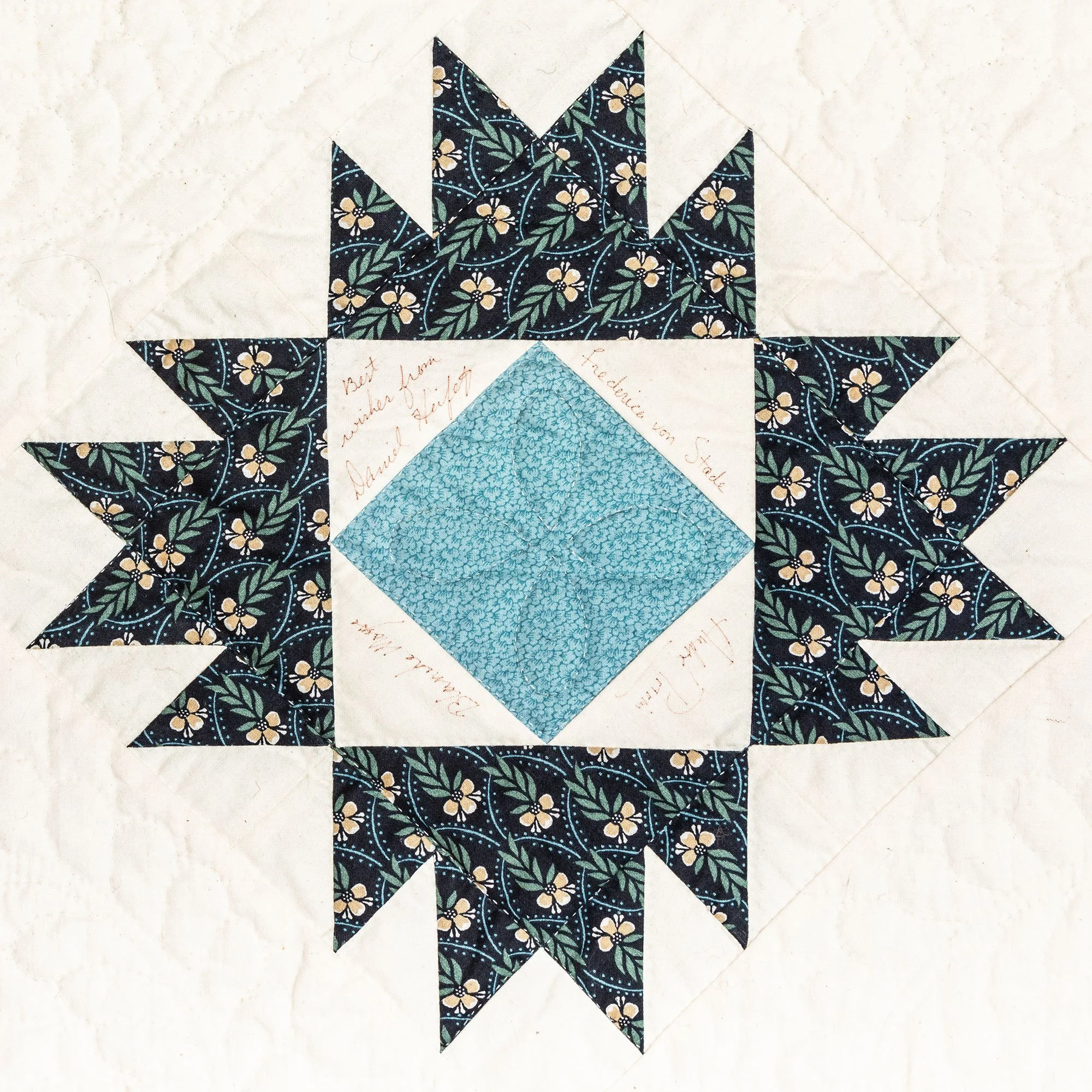
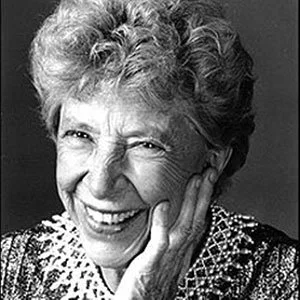
Blanche Moyse (1909-2011)
Blanche Moyse was a Swiss-American conductor. A violinist since the age of five, Moyse graduated from Switzerland’s Geneva Conservatory and made her debut performance with the Beethoven Violin Concerto all by the time she was sixteen. She continued to perform across Europe until the end of second World War, at which point she moved to Vermont and helped to found the Brattleboro Music Center, the New England Bach Festival, and the Marlboro Music School and Festival. Although she didn’t begin conducting until the 1960s, after an arm injury left her unable to play the violin, her career quickly blossomed in Vermont. Aside from performing in the Lane Series, she became an important figure in her small community, where she conducted performances of Johann Sebastian Bach’s works with her local choral group. Although her work was largely in Vermont, she also debuted at Carnegie Hall in 1987 as a conductor for the Blanche Moyse Chorale, which received swarms of praise by New York Times critics.
SOURCES:
IMAGE: From Seven Days
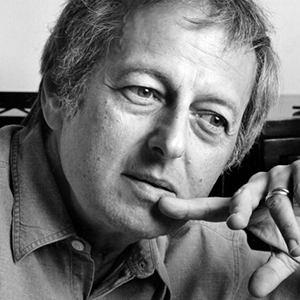
André Previn (1929-2019)
André Previn was a German-American jazz and classical musician. Previn’s parents quickly recognized his talent when they discovered that he had perfect pitch; he was enrolled at Germany’s Berlin Conservatory when he was six years old. After fleeing Nazi Germany in 1938, the young prodigy eventually settled with his family in Los Angeles and began studying with numerous composers throughout southern California. His first public performance was in 1948 as a teenager, and from there success came quickly; by the early sixties, he was composing the music for famous Hollywood films, musicals, and plays like My Fair Lady, West End, and A Streetcar Named Desire. Previn also served as the music director and a conductor for the Houston, Pittsburgh, and London Symphonies along with the Los Angeles Philharmonic Orchestra. He even brought the London Symphony Orchestra to Vermont on a 1976 tour of the East coast. By the time of his death in 2019, he had won ten Grammy Awards and a lifetime achievement award from the Recording Academy.
SOURCES:
The Guardian, “André Previn obituary” by David Patrick Stearns. 28 February 2019.
IMAGE: October 1973 by Bert Verhoeff, Wikipedia, CC BY-SA 3.0 nl
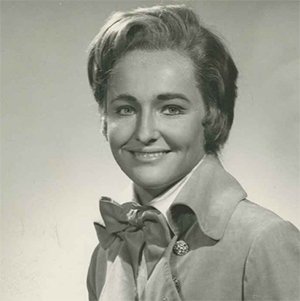
Frederica von Stade (b. 1945)
Frederica von Stade is an American opera singer. von Stade’s music career was an unexpected turn in her life. She had enrolled in New York’s Mannes School of Music in 1966 mainly for her own entertainment, but she was quickly encouraged to study music more seriously when the New School faculty recognized her talent. After spending three years studying and perfecting her singing technique, she auditioned for the Metropolitan Opera in 1969 and was offered a three-year contract. While most of her roles were small, she eventually received international fame with her 1973 role in the Paris Opera’s 1973 production of The Marriage of Figaro in Versailles, France. From here, her performances kept her moving across the Atlantic for many years; San Francisco and Chicago to Milan and Vienna, the singer performed with every major American opera and many of Europe’s most famous halls. She has also appeared many times in the University of Vermont’s Lane Series. Today, she serves on the faculty of the San Francisco Conservatory of Music in California.
SOURCES:
Spotify, “Frederica von Stade.”
San Francisco Conservatory, “Frederica von Stade.”
IMAGE: Wikipedia, Department of Defense 1985, public domain
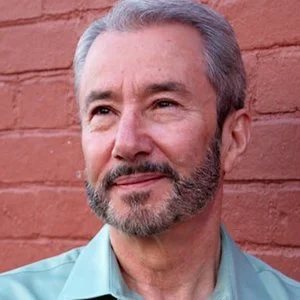
Daniel Heifetz (b. 1948)
Daniel Heifetz is an American violinist. Heifitz started playing the violin when he was six years old, and as a teenager enrolled in Philadelphia’s Curtis Institute of Music. Here, he studied under famous violinists Efrem Zimbalist and Ivan Galamian. He made his debut at New York’s Carnegie Hall in 1970, after which he immediately received a recording contract from Sal Hurok, who had attended his performance. He began performing with orchestras on both sides of the Atlantic Ocean, including Vermont and Berlin. His solo concert tours have also carried him as far as Asia and South America. Heifetz has taught the violin at Carnegie Mellon University, Johns Hopkins University, and the University of Maryland at College Park. He is also the founder of the Heifetz International Music Institute, which supports the growth of young musicians.
SOURCES:
Heifetz Institute, “Daniel Heifetz: Founder.”
Burlington Free Press, “Different Tune.” 5 December 1976, p. 14.
Mary Baldwin University, “Daniel Heifetz.”
IMAGE: Wikimedia Commons, CC BY-SA 4.0
Panel #17 (Unsigned)
Panel #18
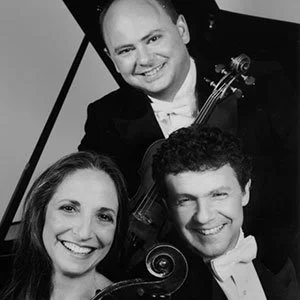
Raphael Trio
The Raphael Trio is a classical music trio consisting of violinist Naoko Tanaka, cellist Susan Salm, and pianist Daniel Epstein. Shortly after its founding, the Trio made its debut performance in 1975 at Carnegie Hall in New York City. This launched an international performing career, with appearances in Geneva, San Francisco, Budapest, Chicago, and Boston amongst other cities. These tours have made multiple stops in Vermont, including shows at Middlebury College and the University of Vermont. The group is particularly famous for their focus on single composers, especially their performances of Beethoven’s and Mozart’s piano trios. The Trio will also perform their own pieces, which they have commissioned from famous composers like Frederic Rzewski, Thomas Oboe Lee, and David Liptak. The group has made many appearances on radio, including National Public Radio’s concert broadcast series. The group currently runs a chamber music workshop in Wilton, New Hampshire.
SOURCES:
Raphael Chamber Music Workshop, “Raphael Trio.”
The Burlington Free Press, “Community.” 21 October 2000.
The Burlington Free Press, “Celebrate!” 18 September 1990, p. 5A.
The Phillips Collection, “Raphael Trio.”
IMAGE: From The Phillips Collection
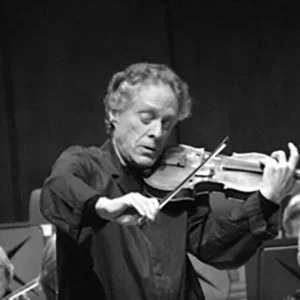
Charles Castleman (b. 1941)
Charles Castleman is an American violinist. Castleman began playing the violin early in his childhood, making his first solo performance at the Boston Pops Orchestra when he was only six years old. He enrolled in Philadelphia’s Curtis Institute of Music as a teenager in 1959, where he studied with the Armenian violinist Ivan Galamian. By 25, Castleman’s piano skills had earned him silver medals from the Queen Elisabeth Competition in Brussels and the Tchaikovsky Competition in Moscow. He performed with orchestras across the world, including twenty five years of performances with the Raphael Trio. His 1982 show with the Trio in Burington was widely popular, receiving “open-hearted, merited applause” as well as an encore. Today, he is the founder and director of the Castleman Quartet Program, which offers summer courses for new musicians. Castleman also holds degrees from Harvard University and the University of Pennsylvania, and is now a Professor of Music at the University of Miami in Florida.
SOURCES:
University of Rochester Eastman School of Music, “Charles Castleman.”
University of Miami, “Charles Castleman.”
IMAGE: From UVA Department of Music
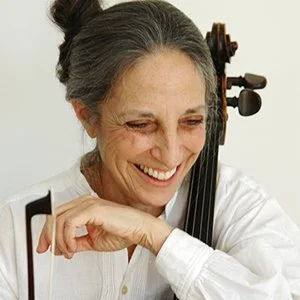
Susan Salm
Susan Salm is an American cellist. After studying at the Juilliard School of Music in New York City, Salm won the Concert Artists Guild performance award, which led to her 1974 debut performance at Carnegie Hall in New York. The next year, she founded the Raphael Trio, which quickly began touring internationally. Since then, she has risen to fame for her talents as both a soloist and a chamber musician. Salm has performed solo shows across the United States and Europe, and her chamber performances include shows with groups like the BBC Orchestra, the Berlin Symphony, and the San Francisco Symphony. She has also played many shows in Vermont. Aside from live performances, she has also recorded music for radio programs in the United States and Europe and has taught numerous university master’s courses in music.
SOURCES:
The New York Times, “Susan Salm Bows in Cello Recital” by Raymond Ericson. 20 January 1974.
The Burlington Free Press, “Bright spots of color in November” by Maggie Maurice. 20 November 1988.
IMAGE: Clemens Frischenschlager, http://www.susansalm.com/photographs.html
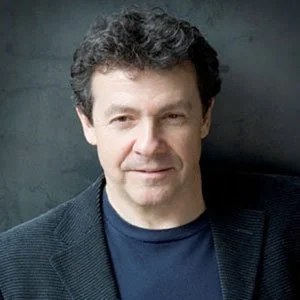
Daniel Epstein (b. 1946)
Daniel Epstein is an American pianist. Epstein received international fame in 1973, when he became the first American musician to perform the Chinese Yellow River Piano Concerto with the Philadelphia Orchestra. Epstein studied the piano at the Juilliard School of Music in New York City, and after winning the Concert Artists Guild Award made his debut performance at New York’s Carnegie Hall. Epstein co-founded the Raphael Trio in 1975, with which he has performed almost all the piano trio repertoire and toured across the planet, with multiple shows in Vermont along the way. He has taught master classes throughout the United States, China, and Europe, and today teaches piano at both the Manhattan School of Music in New York and Rutgers University in New Jersey. His performance awards include the National Arts Club Prize, the Prix Alex de Vries, and the Kosciusczko Chopin Award.
SOURCES:
Rutgers Mason Gross School of the Arts, “Daniel Epstein.”
Manhattan School of Music, “Daniel Epstein.”
IMAGE: From Manhattan School Of Music
Panel #19
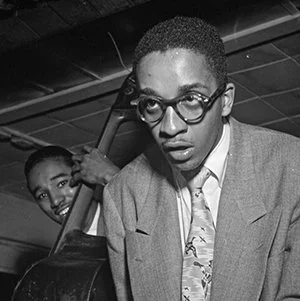
Milt Jackson (1923-1999)
Milt Jackson was an American jazz musician. Jackson began playing music by teaching himself guitar when he was seven, and as a teenager picked up the vibraphone and choir singing. After two years of military service in World War II, he founded Detroit’s Four Sharps jazz quartet in 1944. His performances in Detroit quickly earned him fame when, within a year of their founding, the jazz musician Dizzy Gillespie saw a Four Bags performance in Detroit and invited Jackson to join his group in New York. Jackson played sporadically with Gillespie until 1952, at which point he formed The Modern Jazz Quartet. The Quartet became a critical figure in the jazz world for over forty years and toured across the United States, including shows at Burlington’s Lane Series and Flynn Center. Along with Modern Jazz, Jackson performed with musicians Thelonious Monk, John Coltrane, and Ray Brown amongst others. His work with Modern Jazz and other famous jazz musicians has made him one of the most influential vibraphone players in American jazz history. This work has earned him induction into the Percussion Hall of Fame and a Jazz Master award from the National Endowment for the Arts.
SOURCES:
The New York Times, “Milt Jackson, 76, Jazz Vibraphonist, Dies” by Ben Ratliff. 11 October 1999.
National Endowment for the Arts, “Milt Jackson.”
Burlington Free Press, “Happenings”, 24 June 1984, p. 6.
Encyclopedia Britannica, “Milt Jackson.”
IMAGE: William P. Gottlieb, circa 1946-48. Public domain.
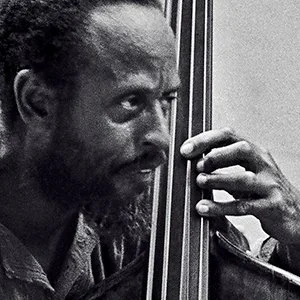
Percy Heath (1923-2005)
Percy Heath was an American jazz musician. Raised by a family of musicians, Percy began studying the violin as a child and later picked up the bass while studying at the Granoff School of Music in Philadelphia in the forties. Bass became his instrument of choice, and he quickly began performing with jazz bands across Philadelphia while serving as the house bassist at the city’s Down Beat nightclub. He eventually moved to New York in 1947, playing with Miles Davis, Fats Navarro, and the Dizzy Gillespie sextet amongst others before joining the Modern Jazz Quartet in 1952. Heath played bass with the Quartet on and off for over forty years, and achieved widespread fame for his careful yet lively playing. A writer for the Burlington Free Press wrote that his performance at the 1971 UVM Lane series helped Modern Jazz “achieve a worshipful audience and lots of them were on hand to greet, listen and applaud.” Heath’s most notable achievements include two performances at the White House, an honorary doctorate degree from the Berklee College of Music, and a Jazz Master award from the National Endowment for the Arts.
SOURCES:
National Endowment for the Arts, “Percy Heath.”
IMAGE: Tom Marcello, 1977. CC BY-SA 2.0.
John Lewis (1920-2001)
John Lewis was an American jazz musician. After studying music and anthropology at the University of New Mexico and serving in World War II, Lewis moved to New York in 1945 and joined the Dizzy Gillespie sextet as the group’s pianist. His work with Gillespie made him a popular side-man, and he began performing and recording with famous musicians like Charlie Parker and Ella Fitzgerald. Lewis then joined the Modern Jazz Quartet in 1952, and as their pianist and musical director, carried the Quartet to enduring national fame as one of America’s most important jazz groups. He led the Quartet in shows across the country, including the University of Vermont. Along with his work in Modern Jazz, Lewis wrote music for numerous films, ballets, and symphony orchestras. He also taught music at Harvard and City College of New York, co-founded the Lenox School of Jazz, and directed Monterey Jazz Festival and the American Jazz Orchestra. His work earned him the Jazz Master Award from the National Endowment for the Arts in 2001.
SOURCES:
Encyclopedia Britannica, “Modern Jazz Quartet.”
National Endowment for the Arts, “John Lewis.”
IMAGE: Bert Verhoeff 1977. CC BY-SA 3.0.
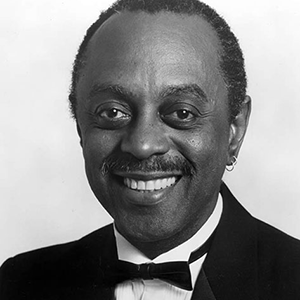
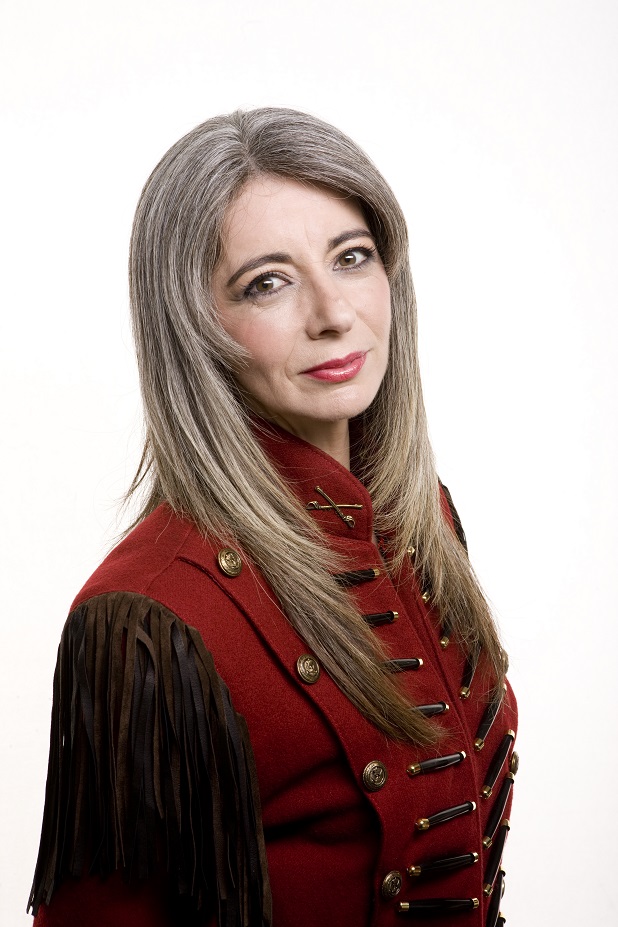
Albert “Tootie” Heath (b. 1935)
Albert “Tootie” Heath is an American jazz musician. Raised in a musical family, which includes his famous brothers Percy and Jimmy, Heath taught himself the drums as a child and started playing alongside jazz pianist Thelonious Monk while still in high school. His talents brought him to New York in 1958, where he made recording debuts with John Coltrane and Nina Simon. This was only the beginning of a phenomenal recording career; for years, he was recruited to perform with some of the country’s most influential jazz musicians, including Wes Montgomery, Roscoe Mitchell, and J.J. Johnson. Heath’s performance endeavors include concerts across Europe and many shows with the Heath Brothers and Modern Jazz Quartets in New York. He even got a show at the University of Vermont in 1974, playing the drums alongside jazz musician Ted Curson’s quartet. He earned the Jazz Master Award from the National Endowment for the Arts in 2021.
SOURCES:
IMAGE: From Drummer World